.
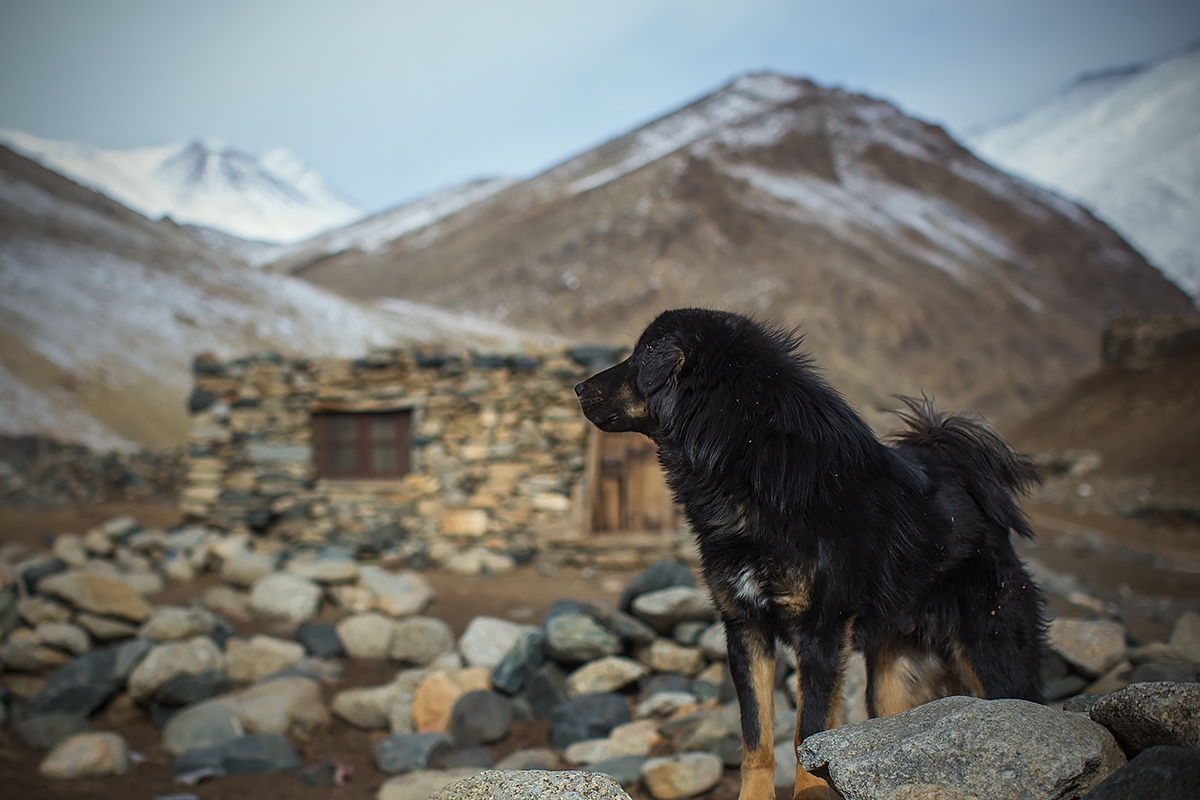
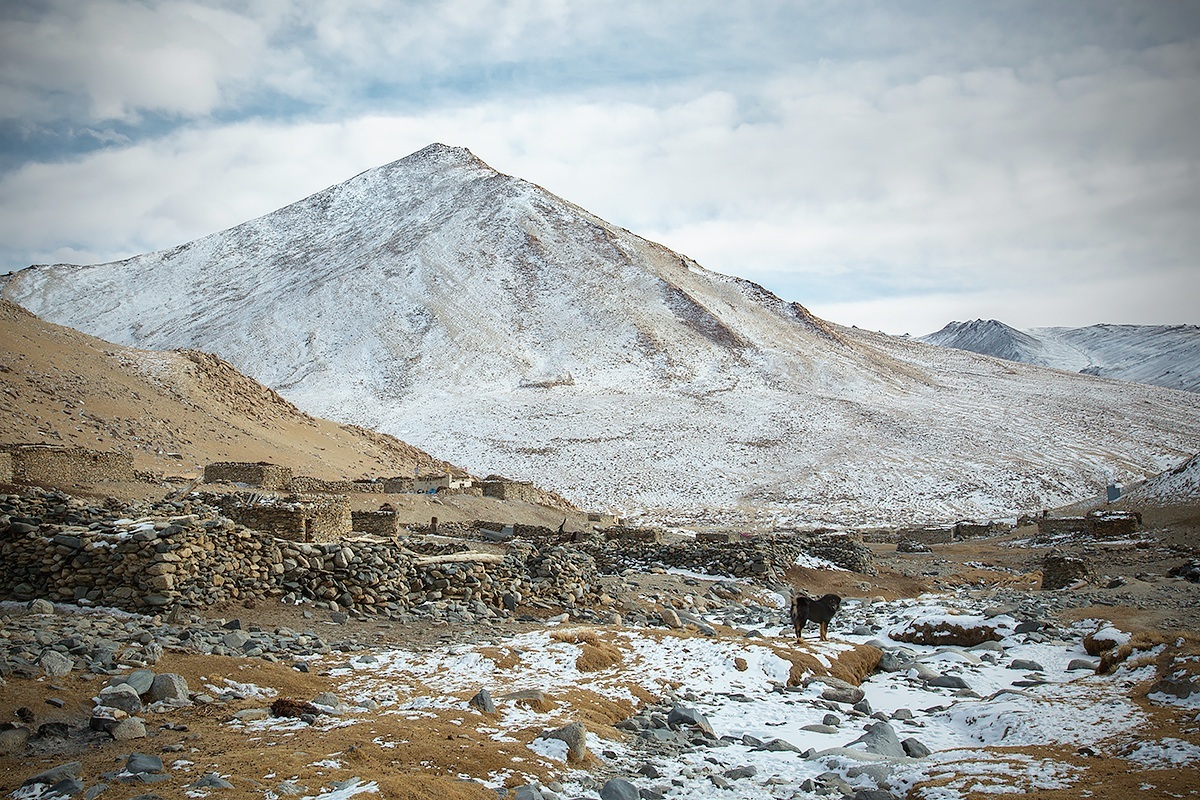
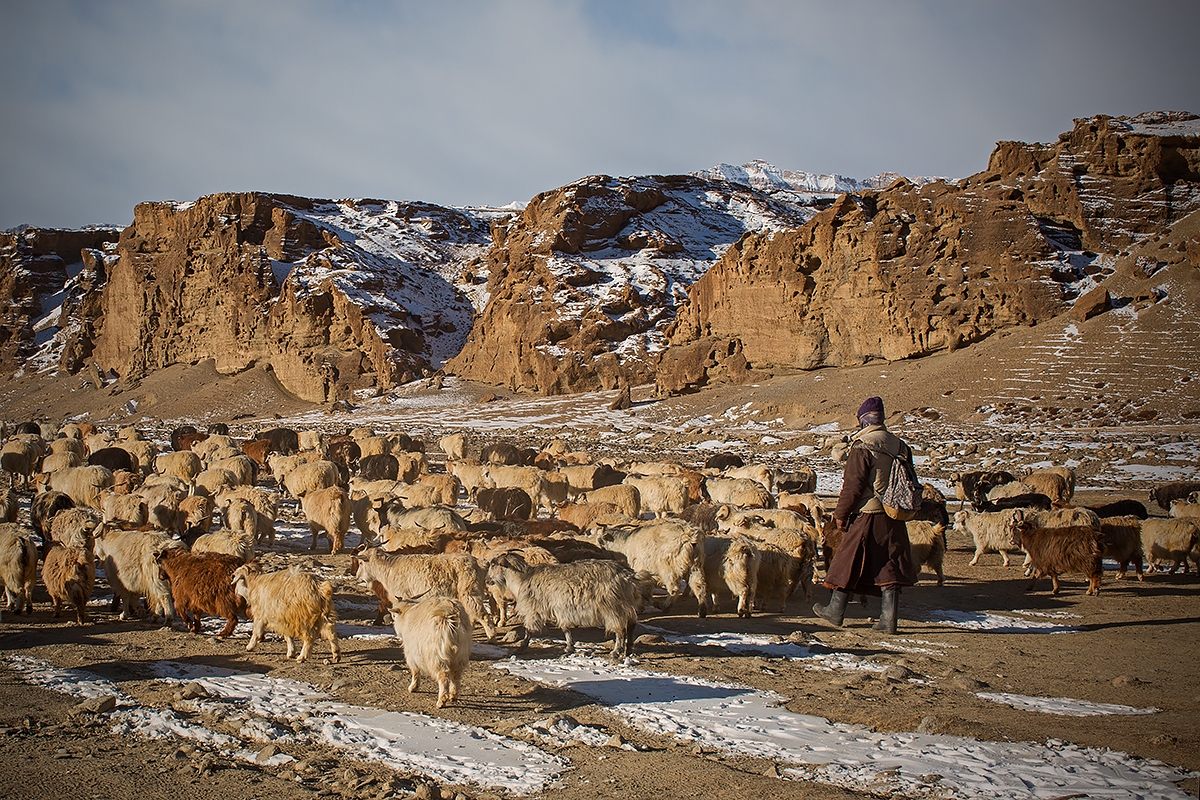
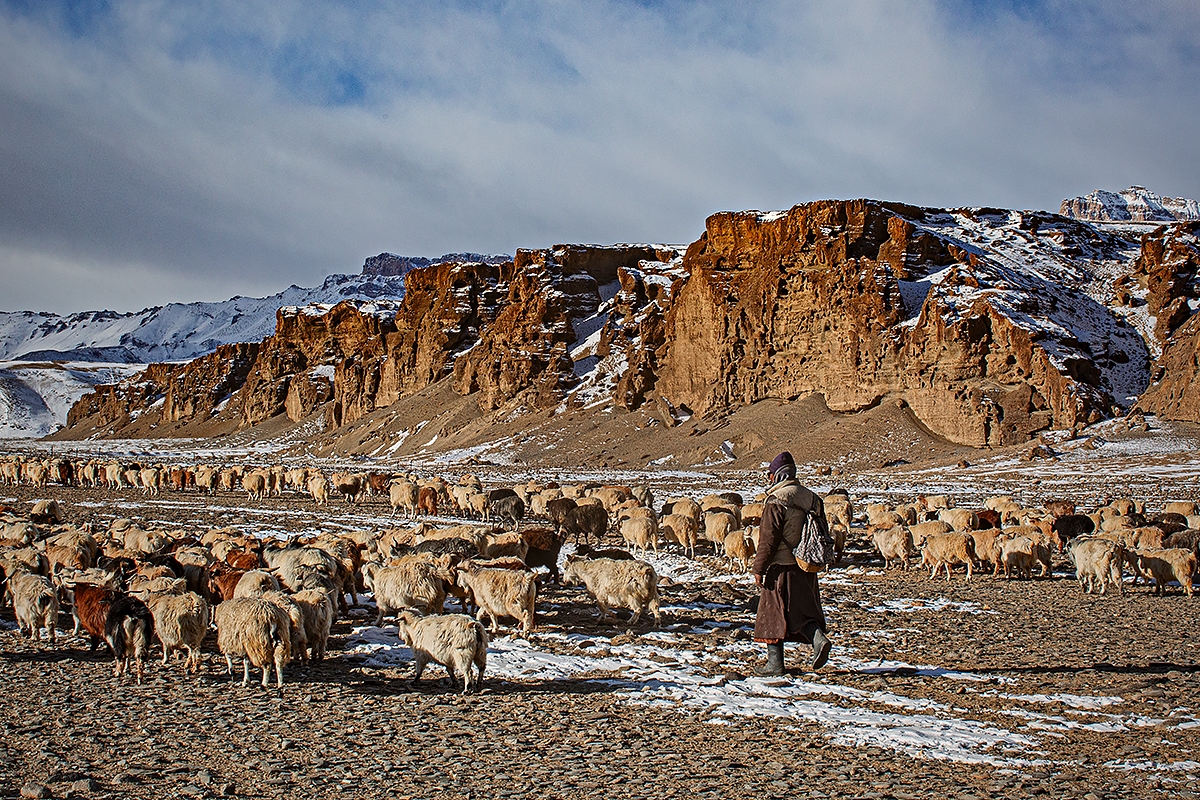
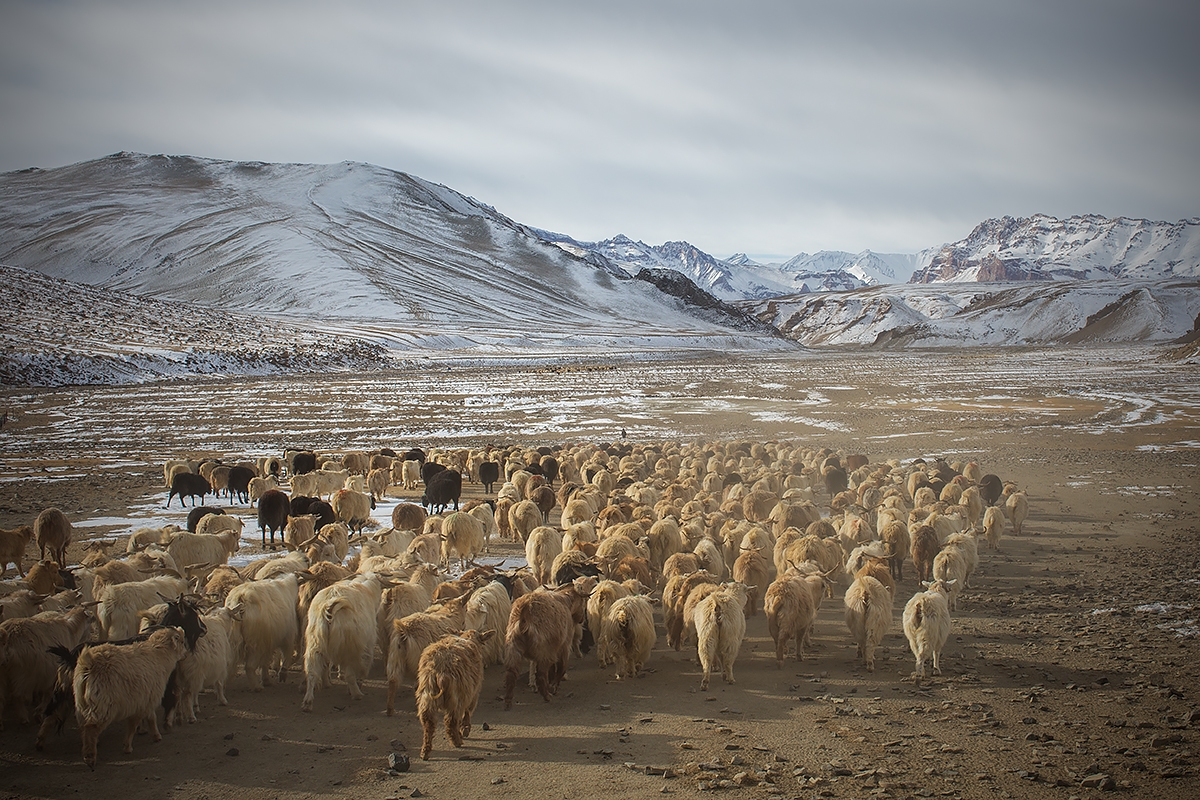
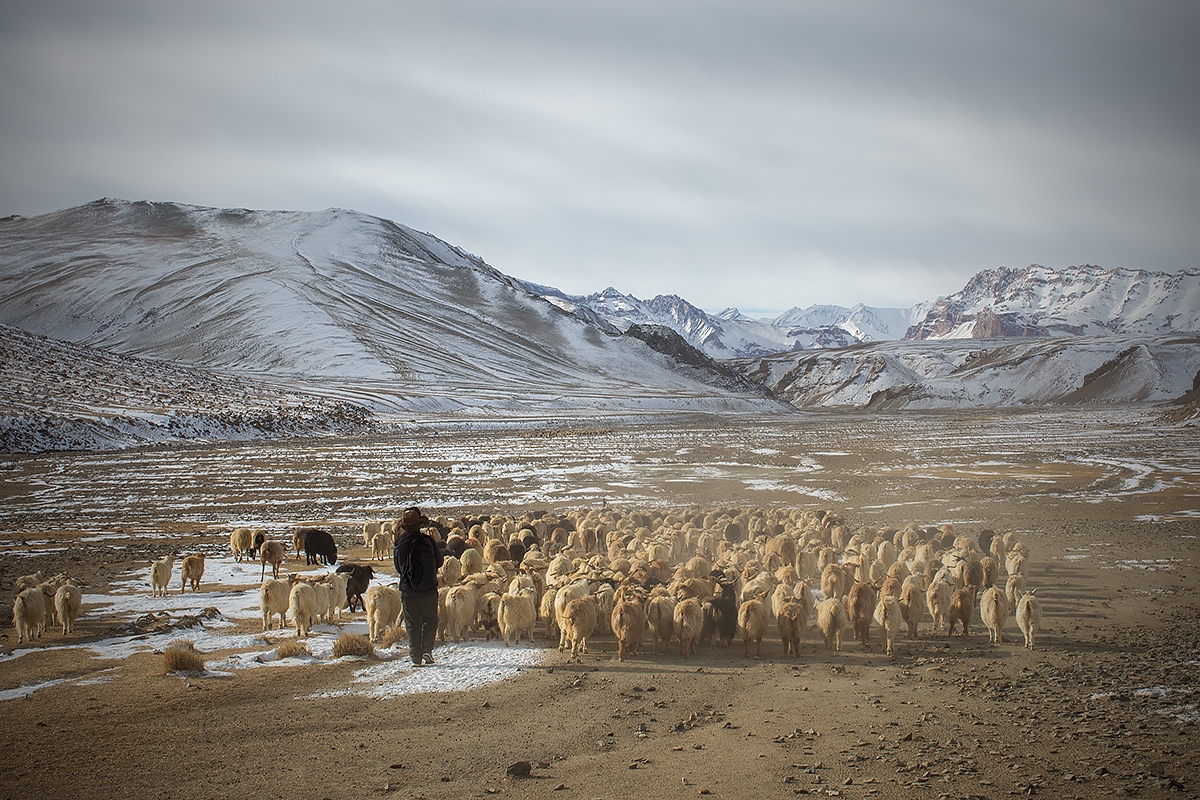
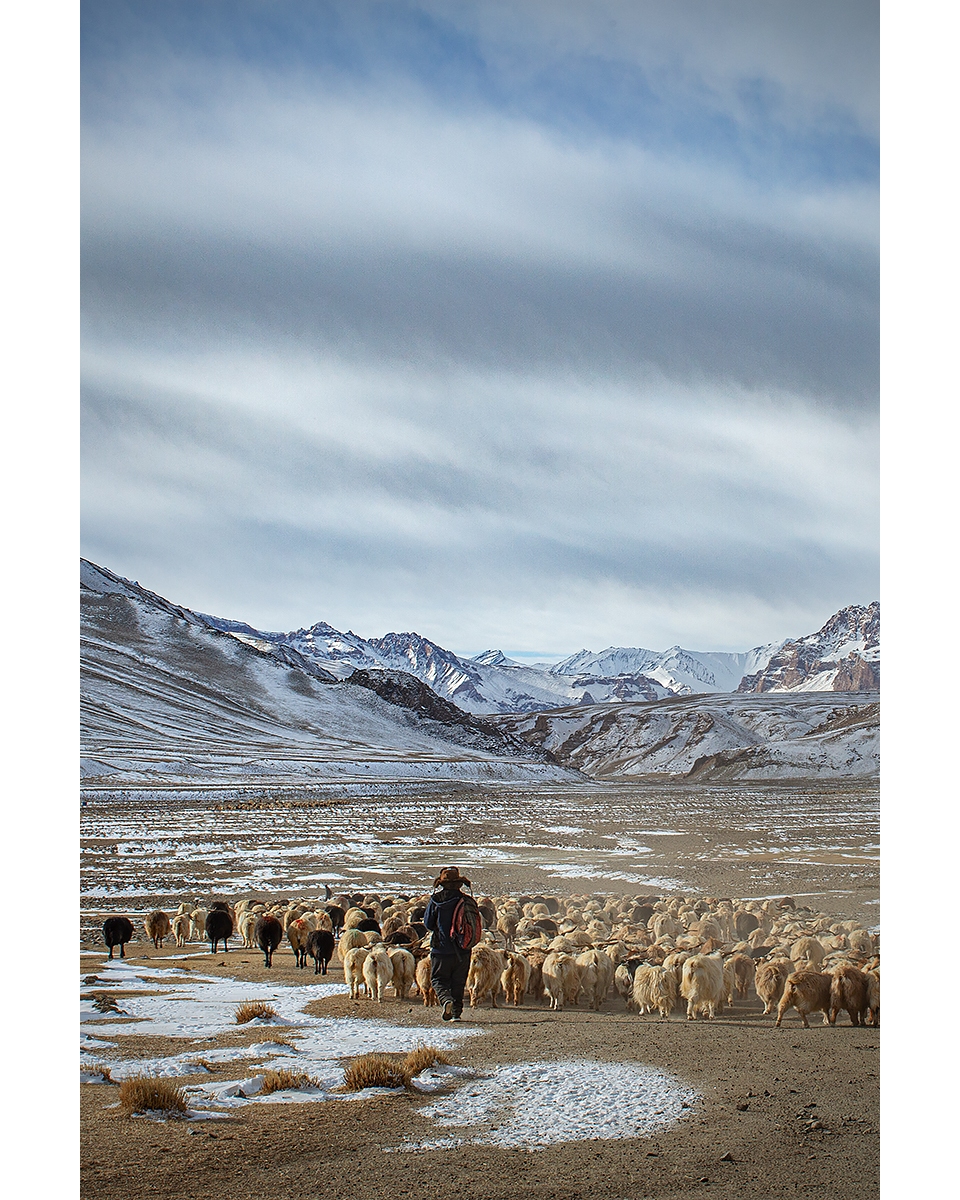
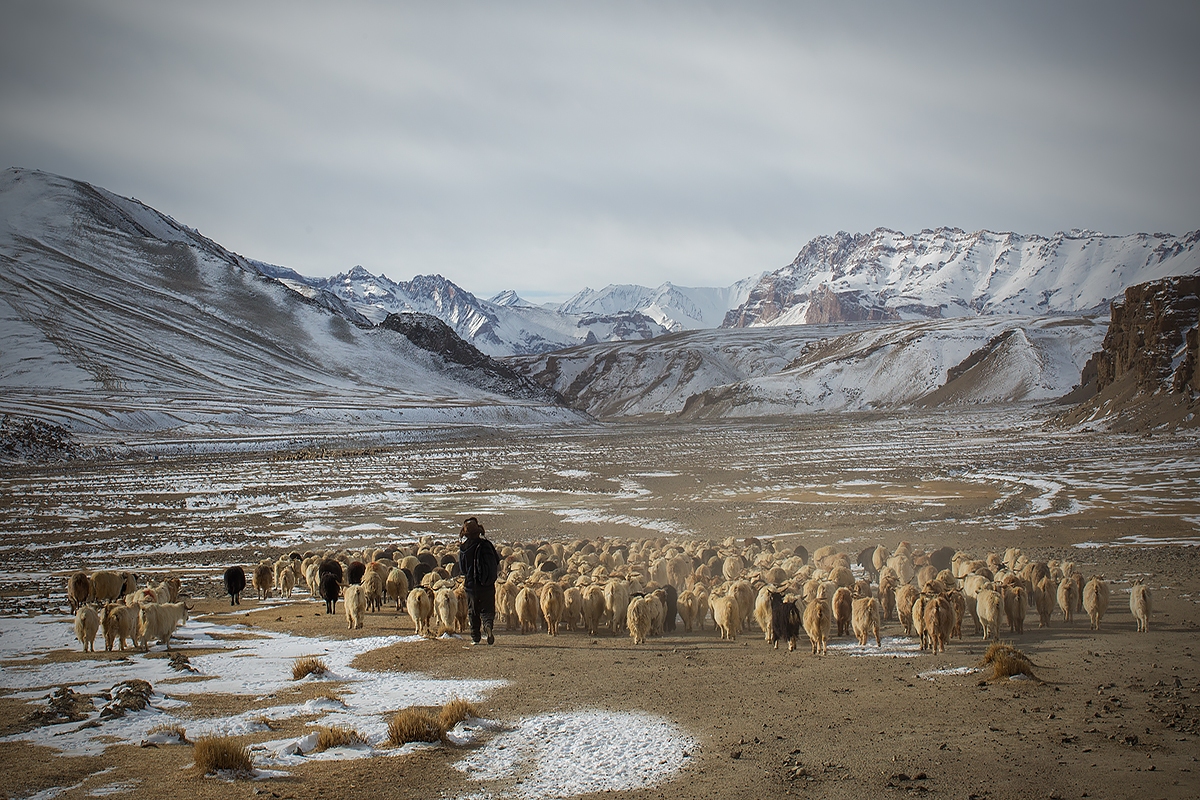
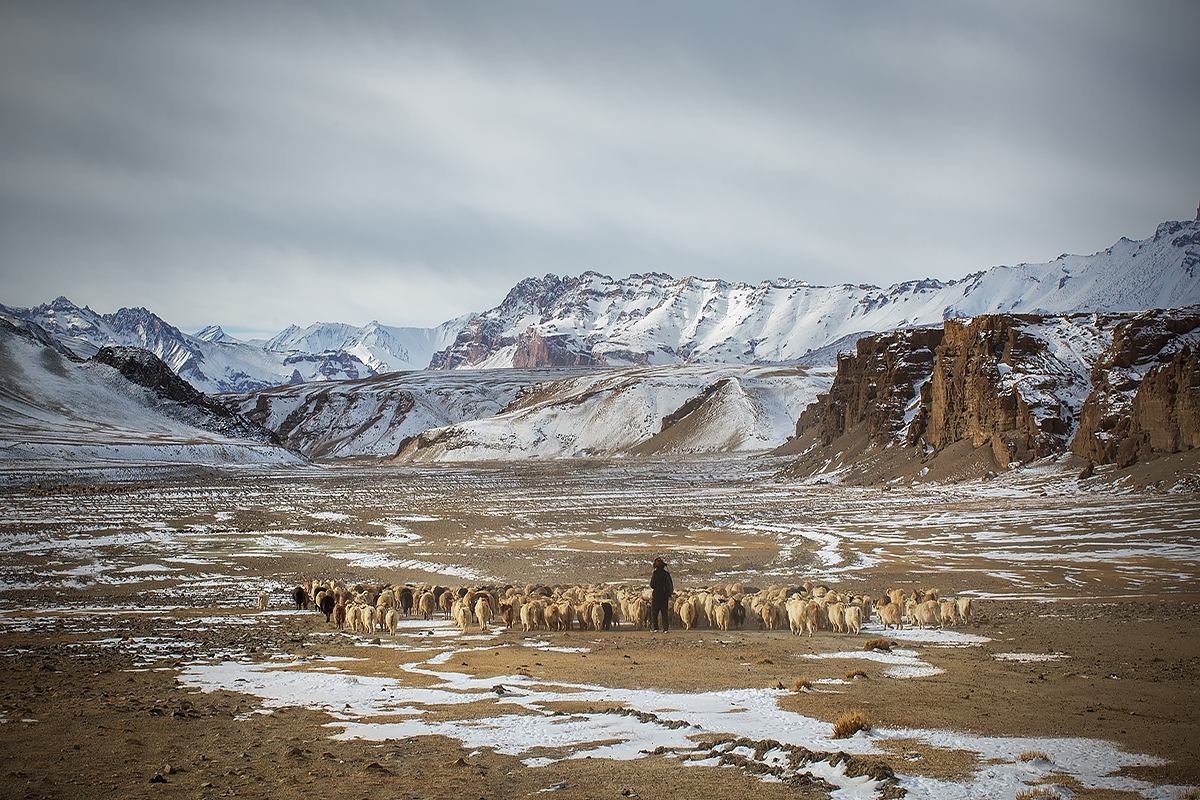
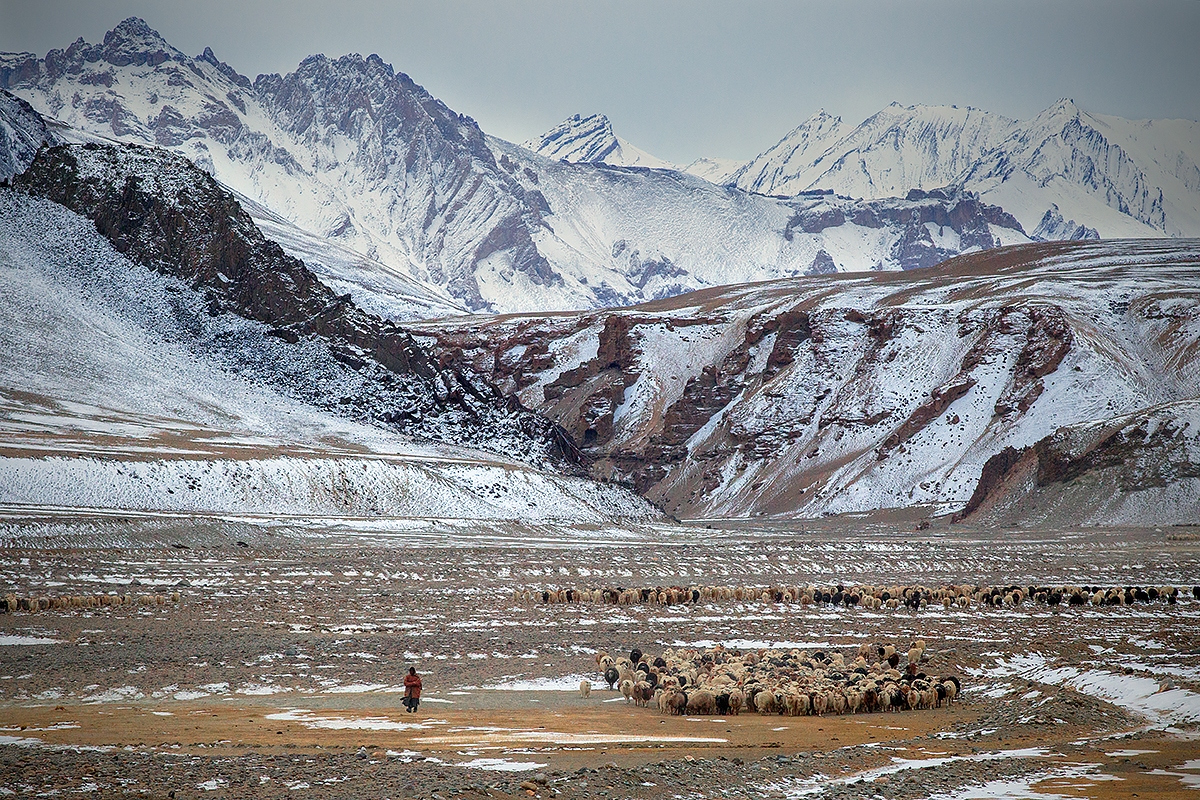
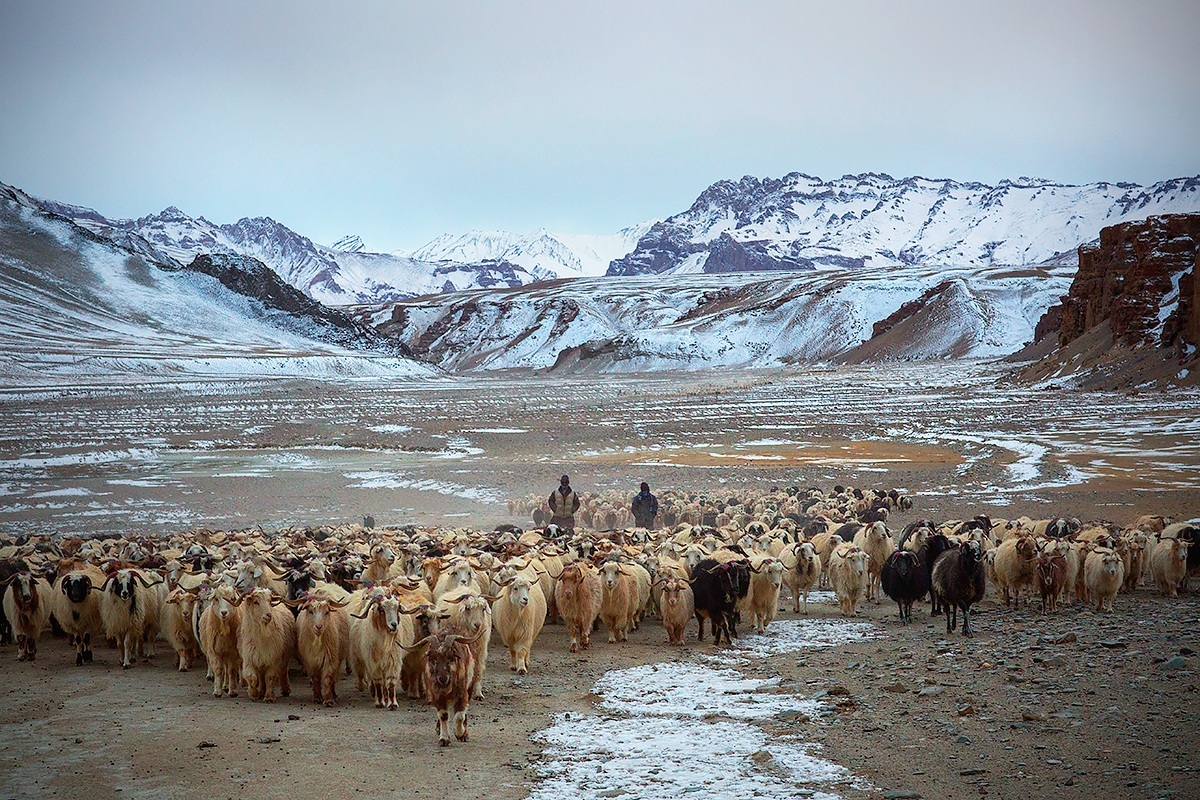
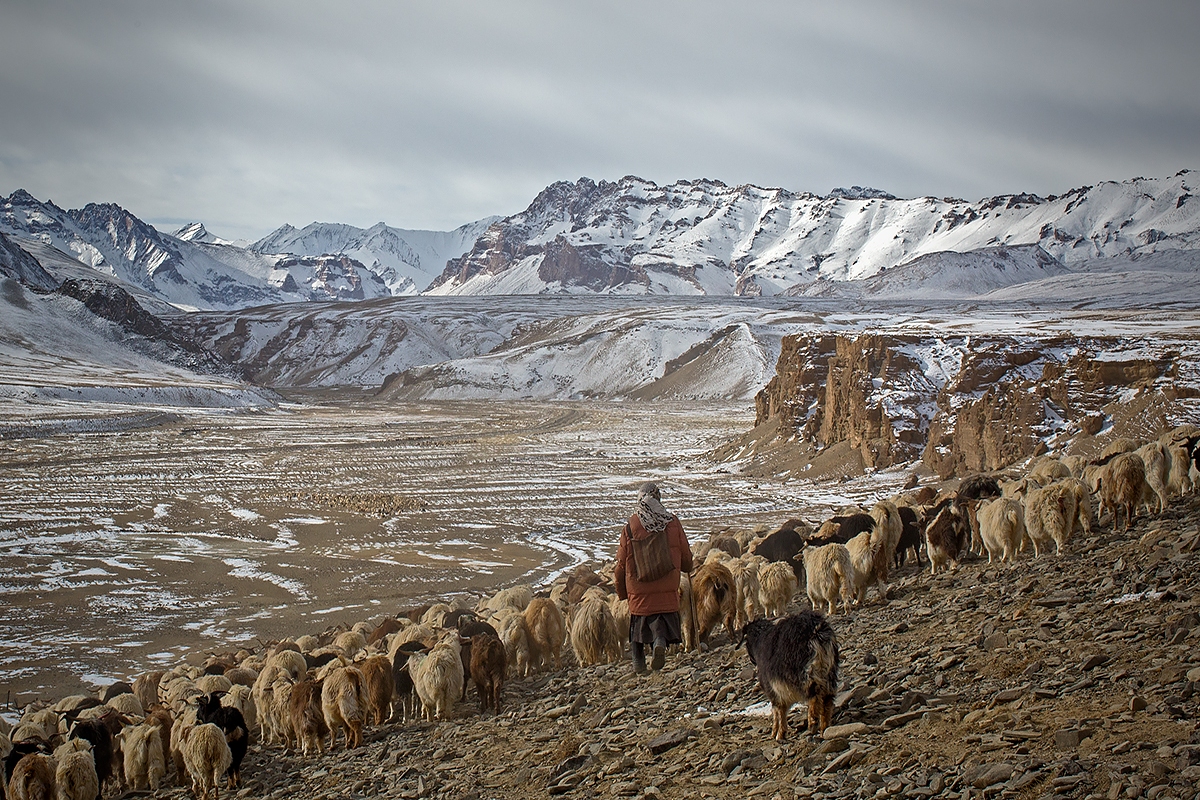
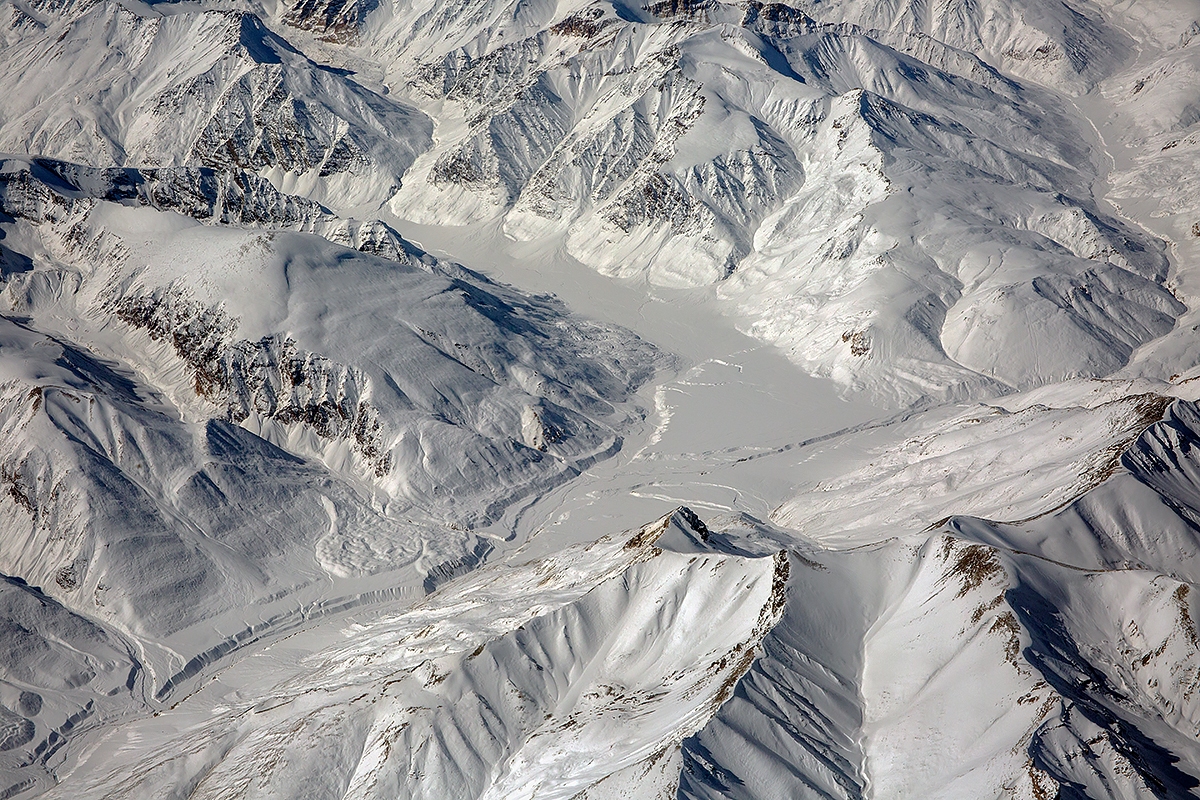
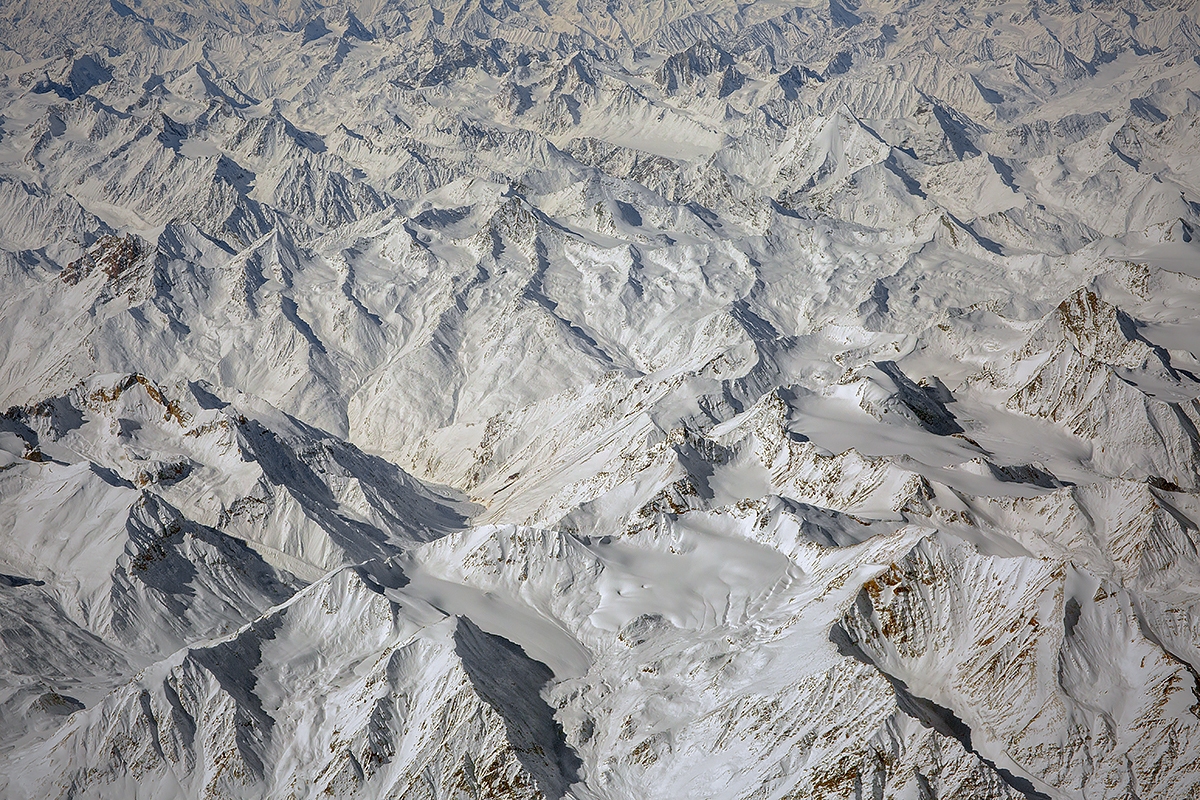
CASHMERE CRISIS – Changtang Plateau, Ladakh, India
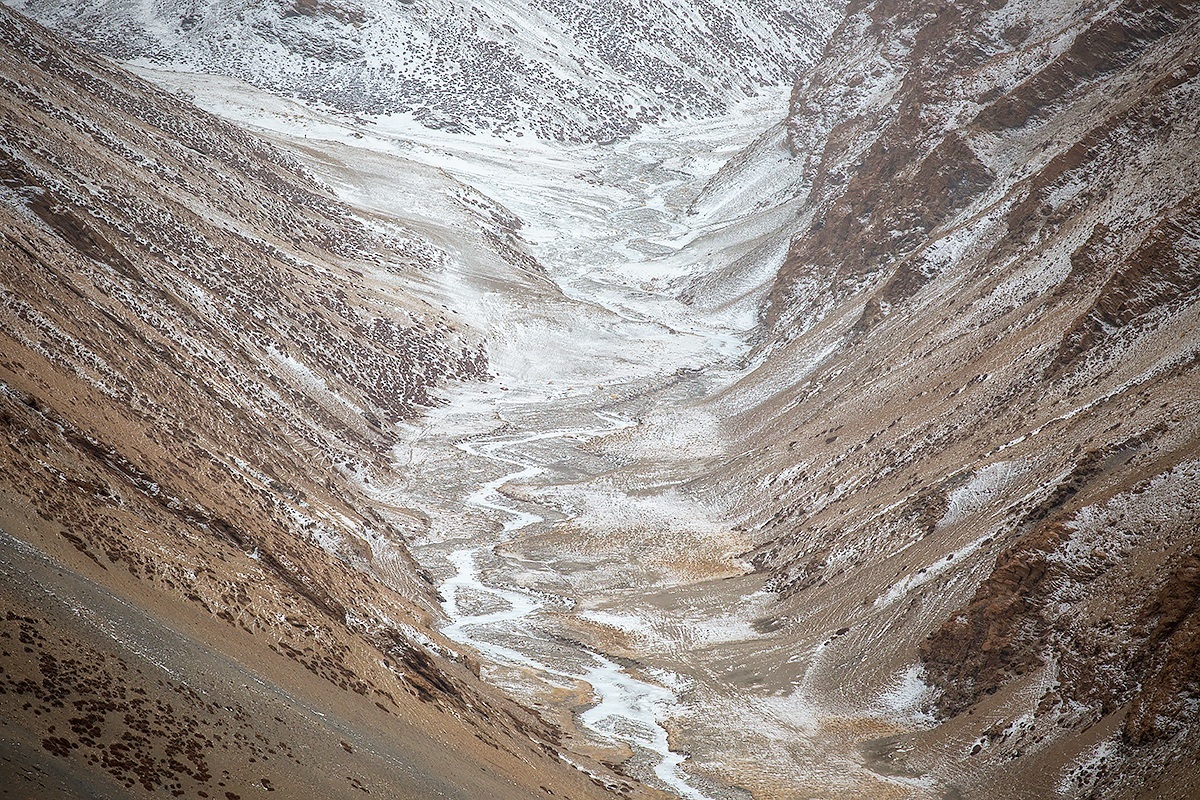
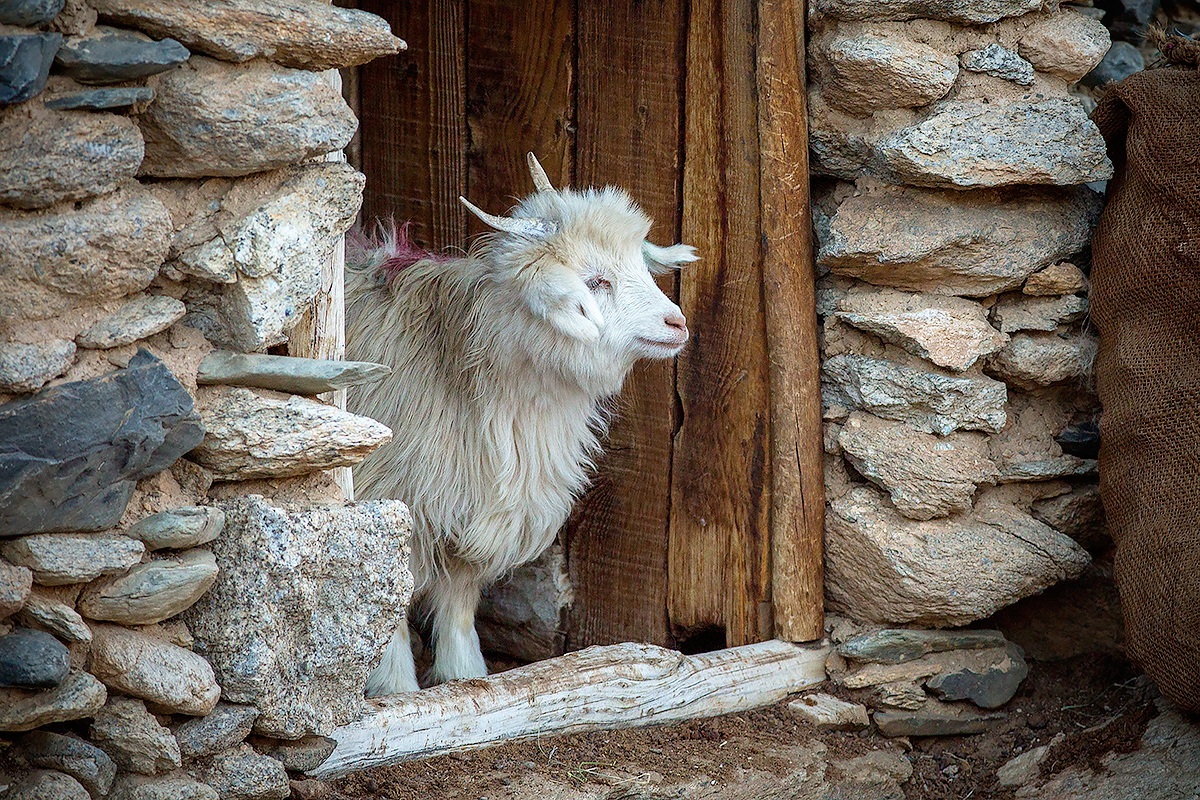
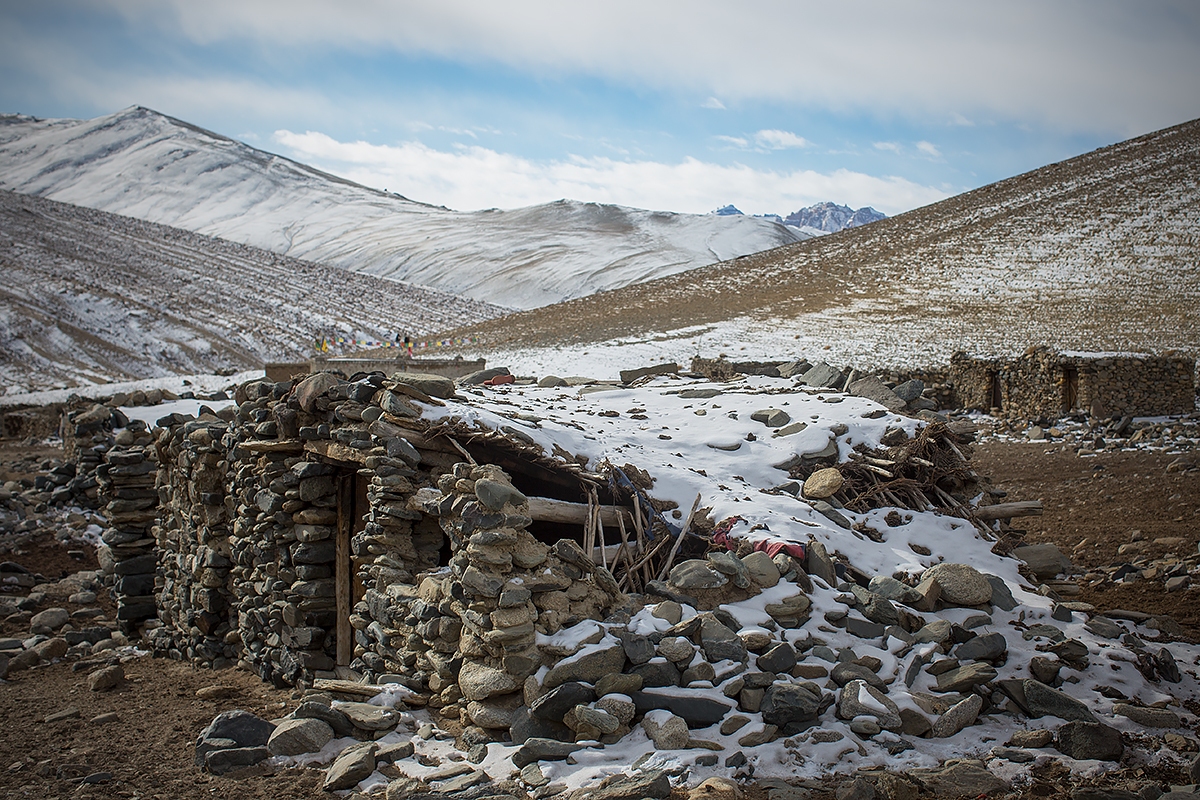
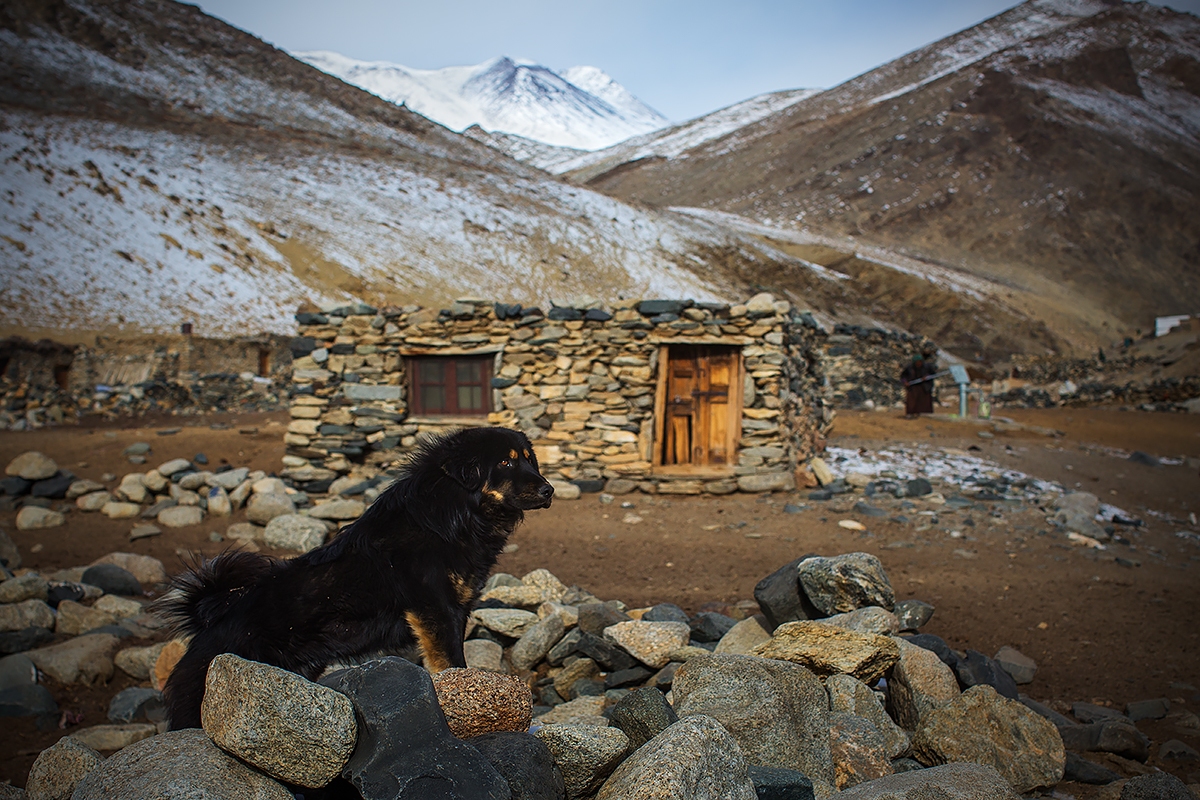
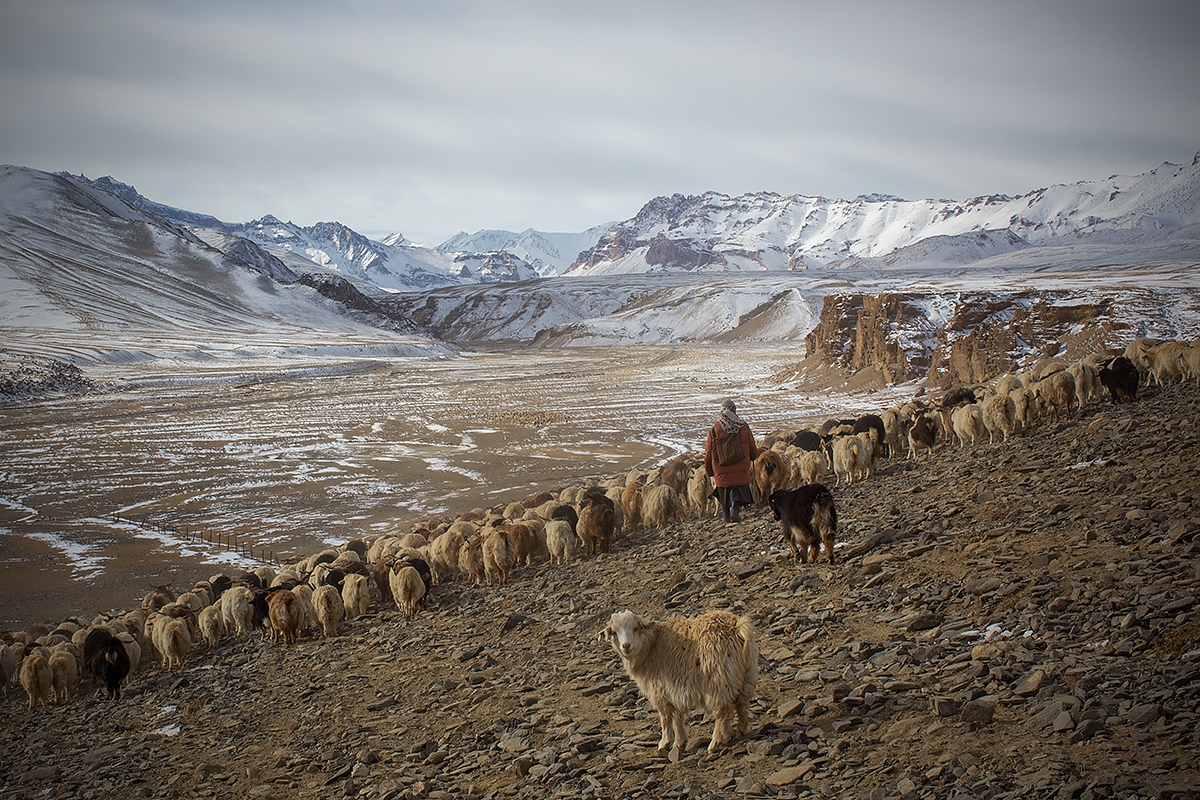
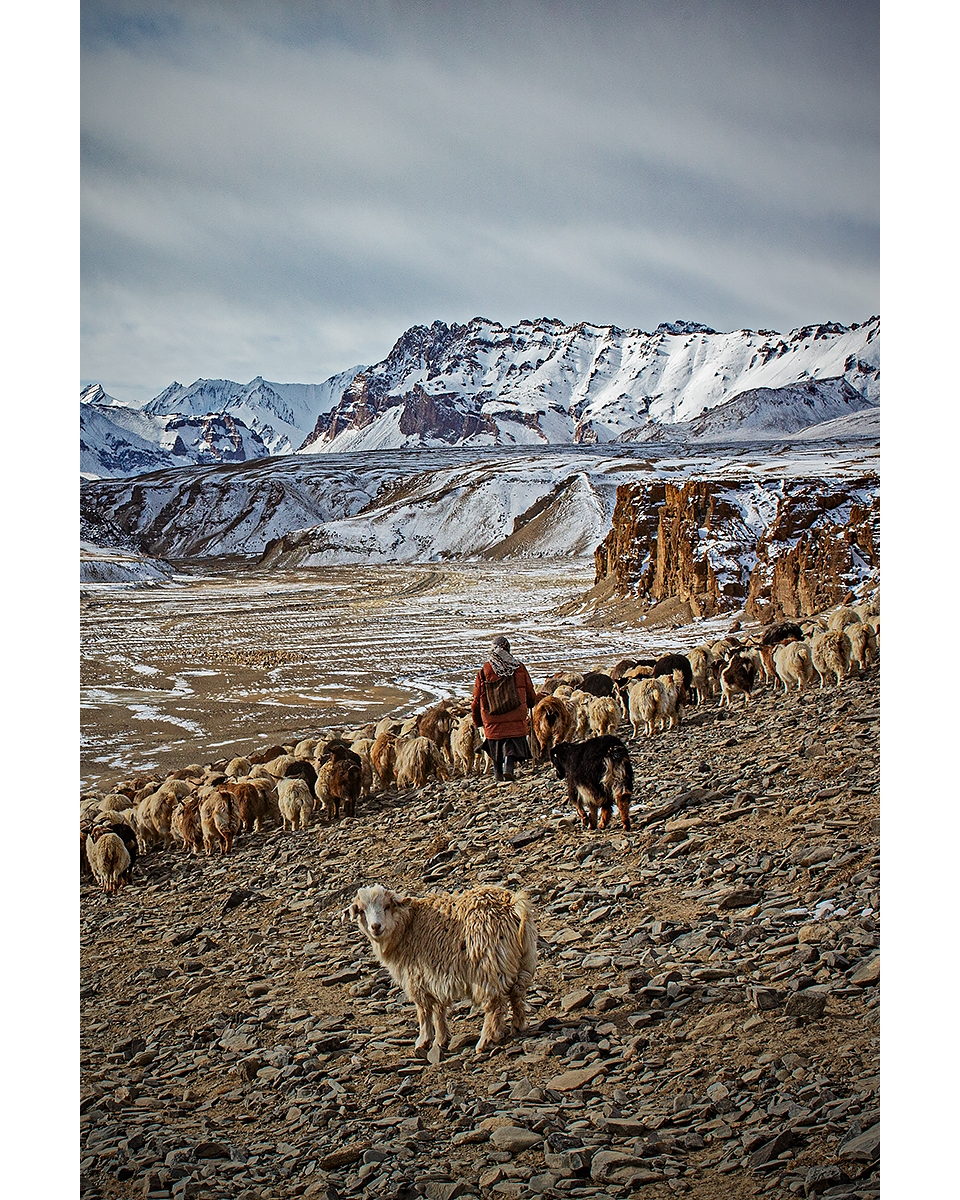
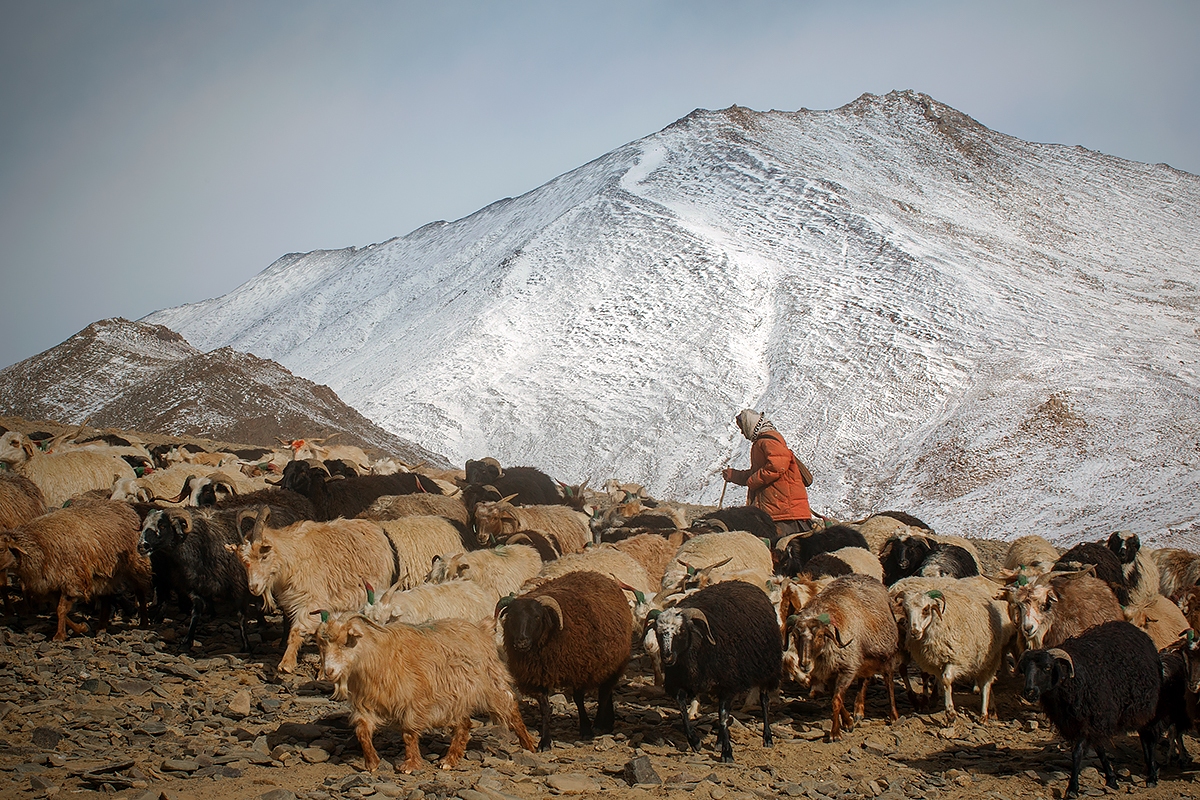
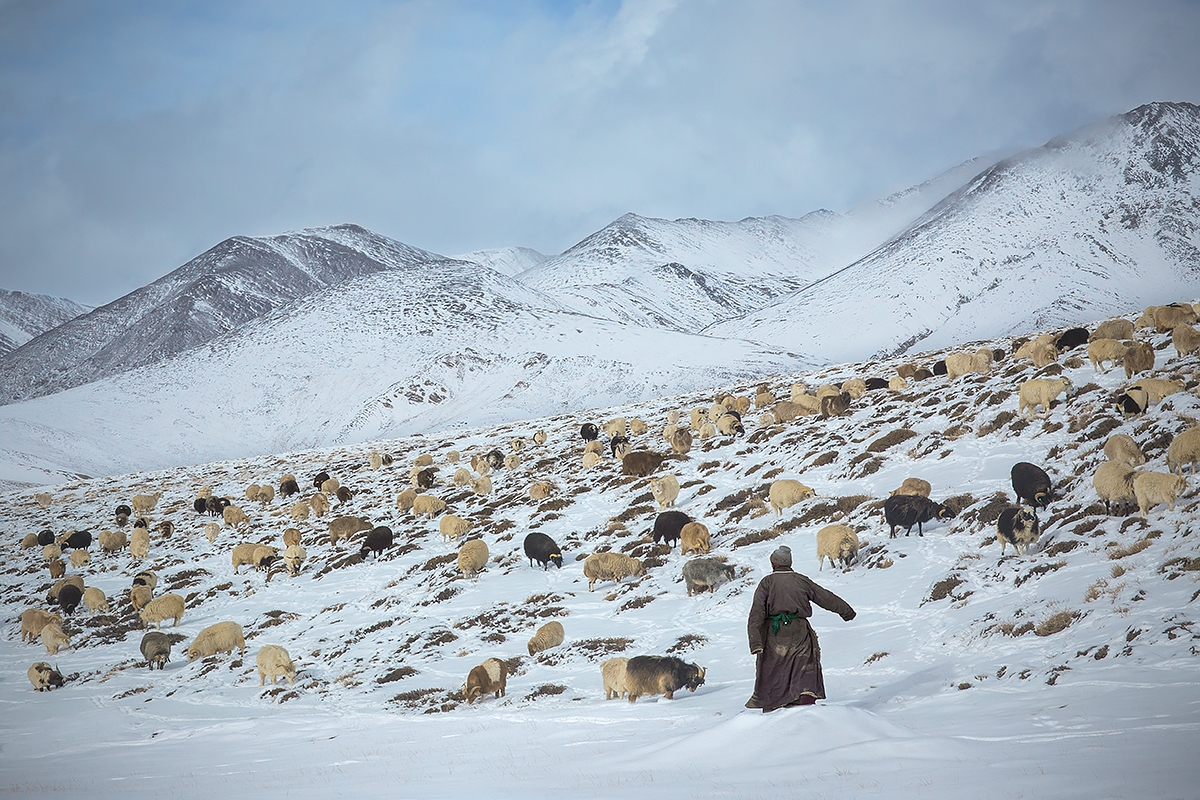
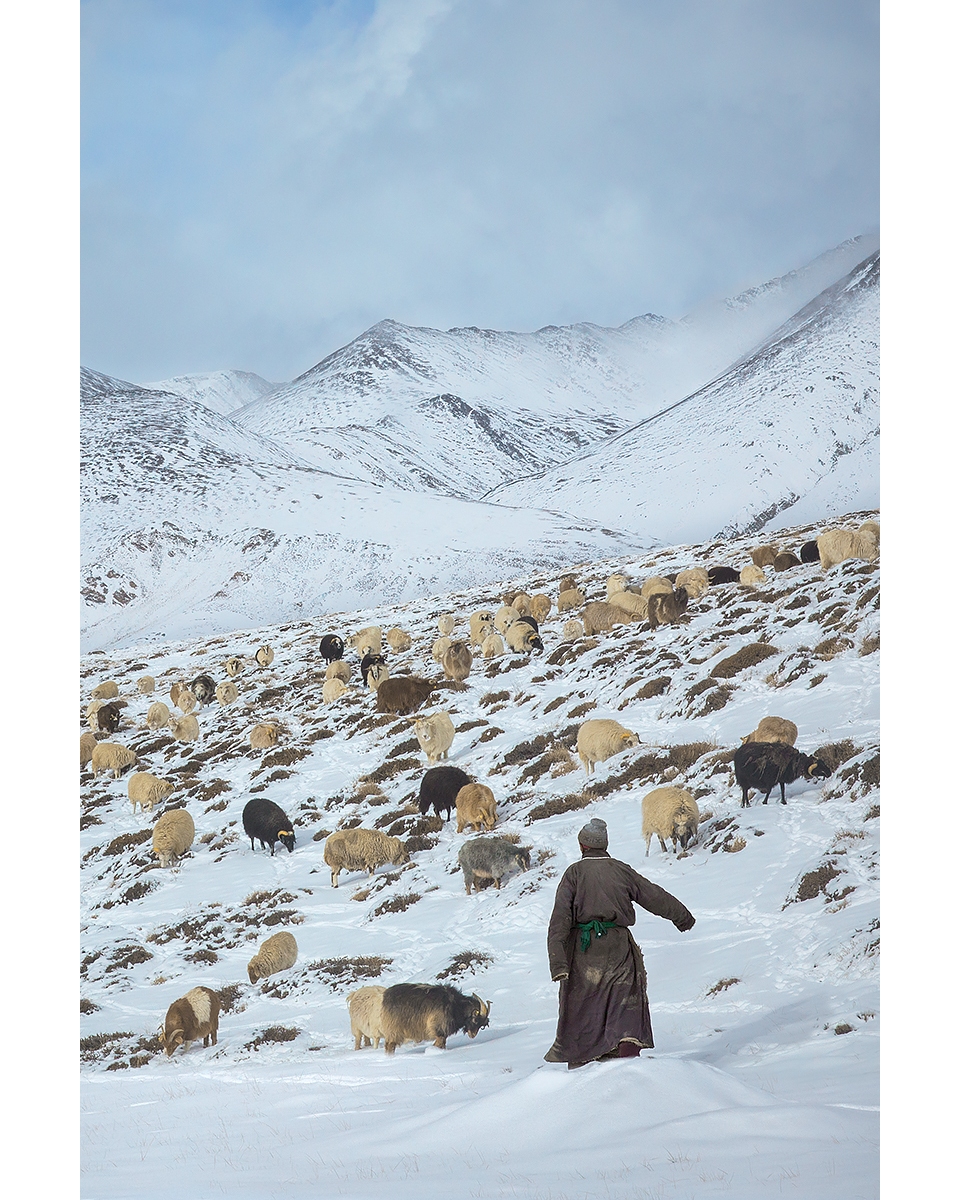
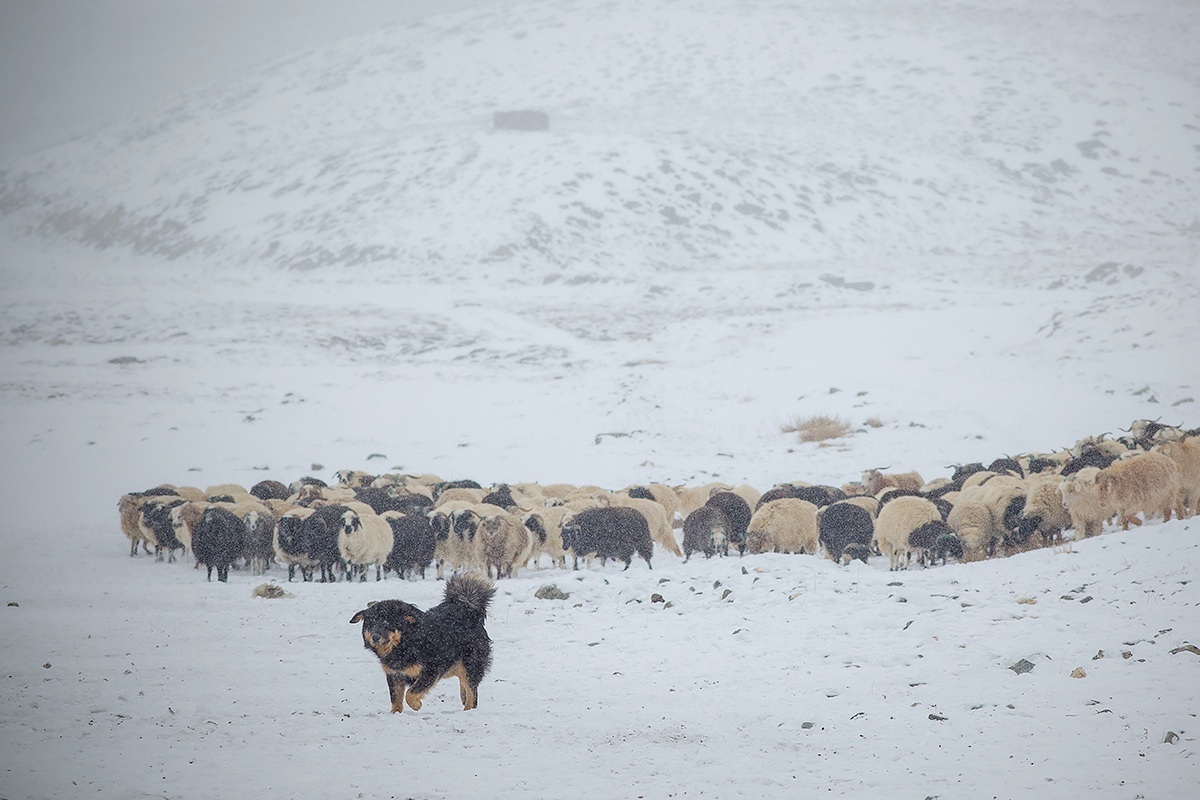
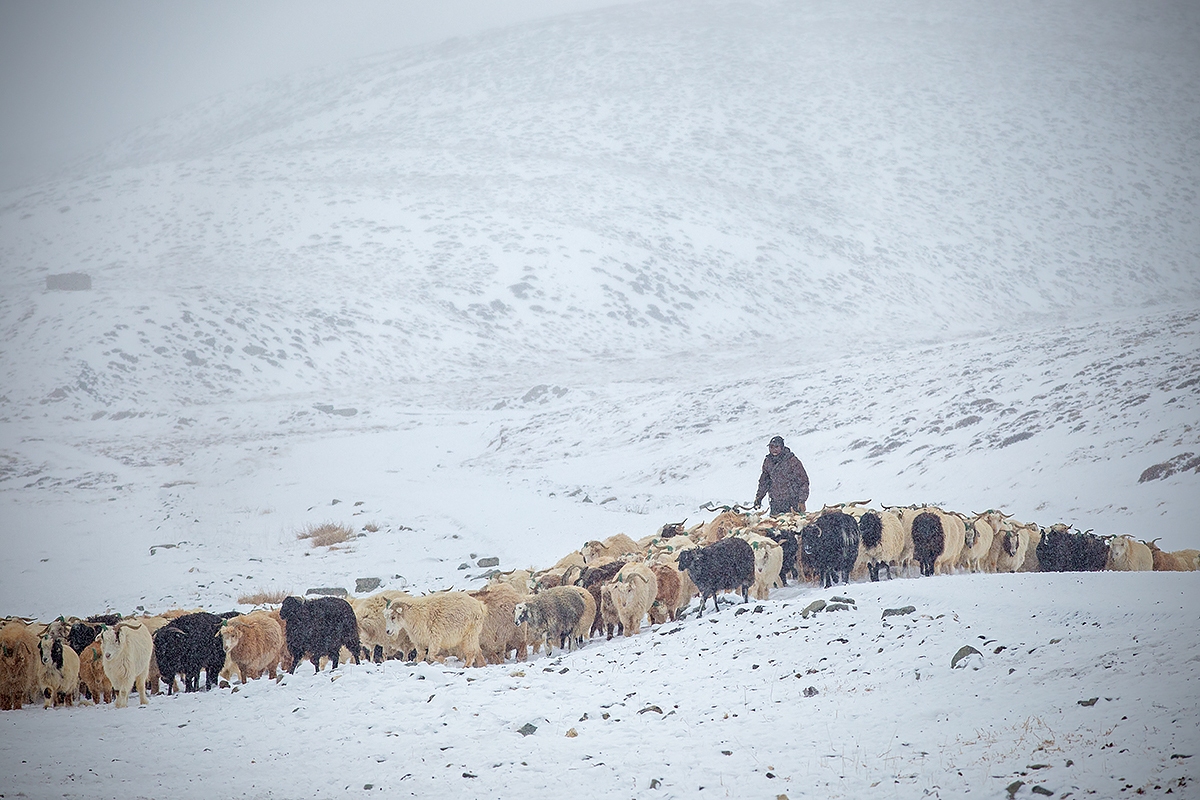
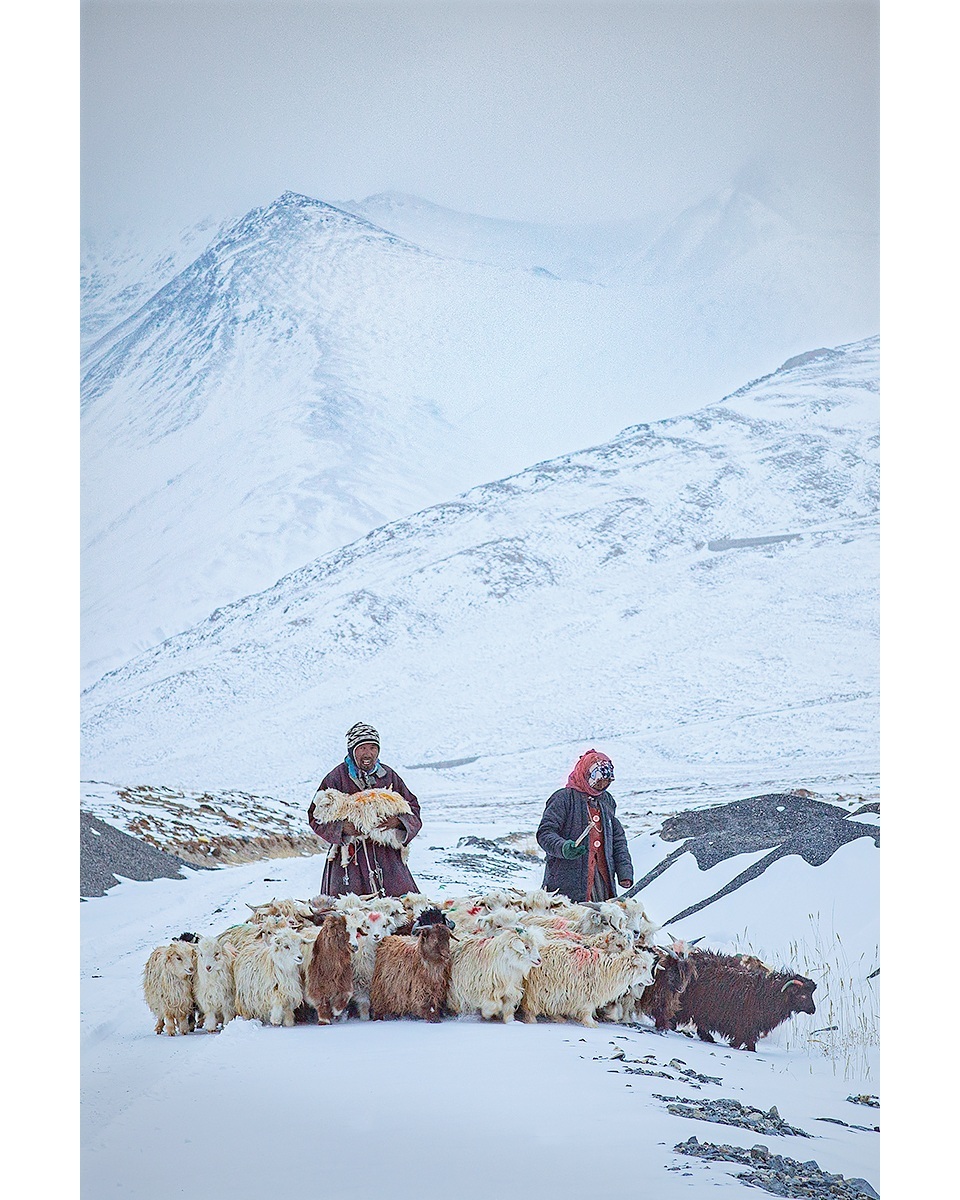
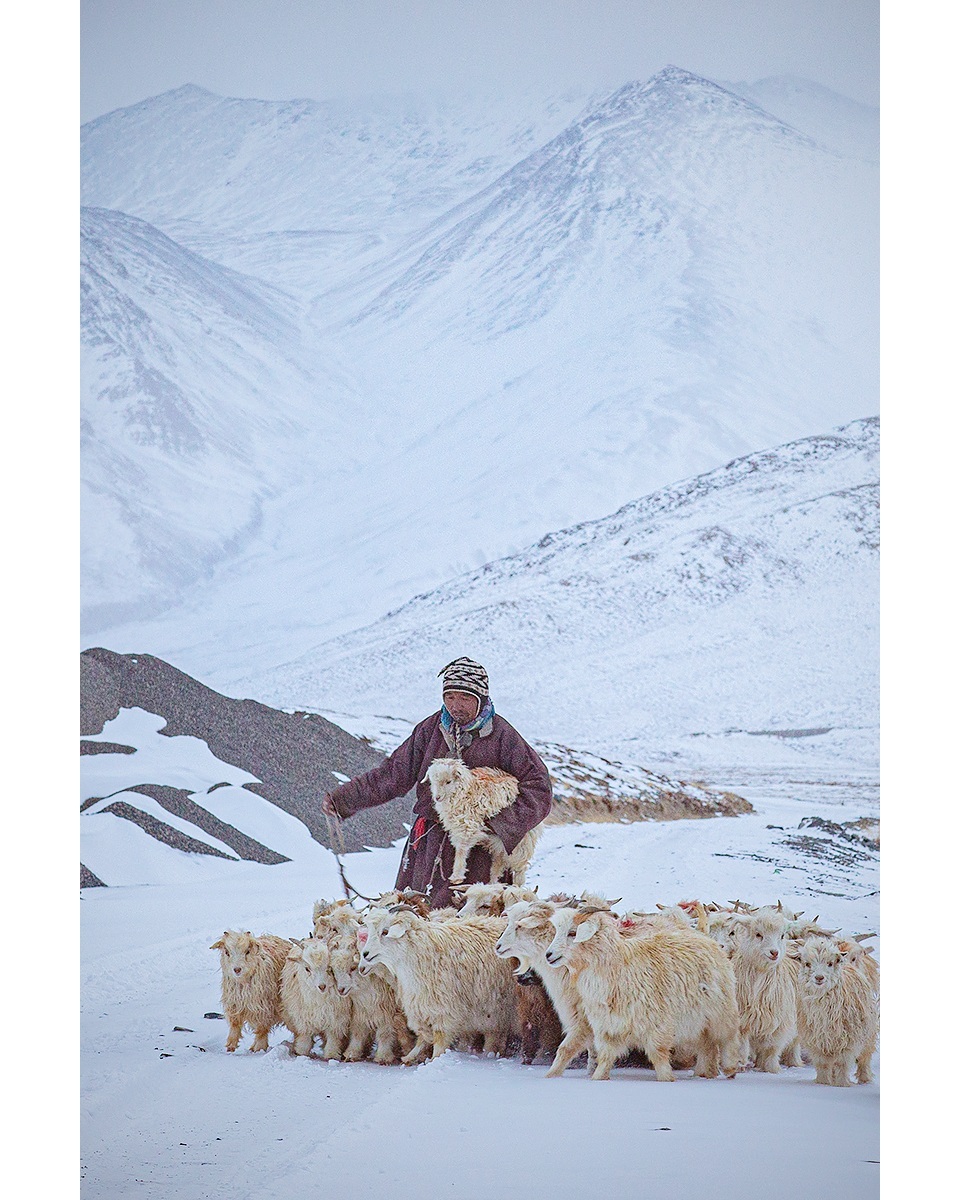
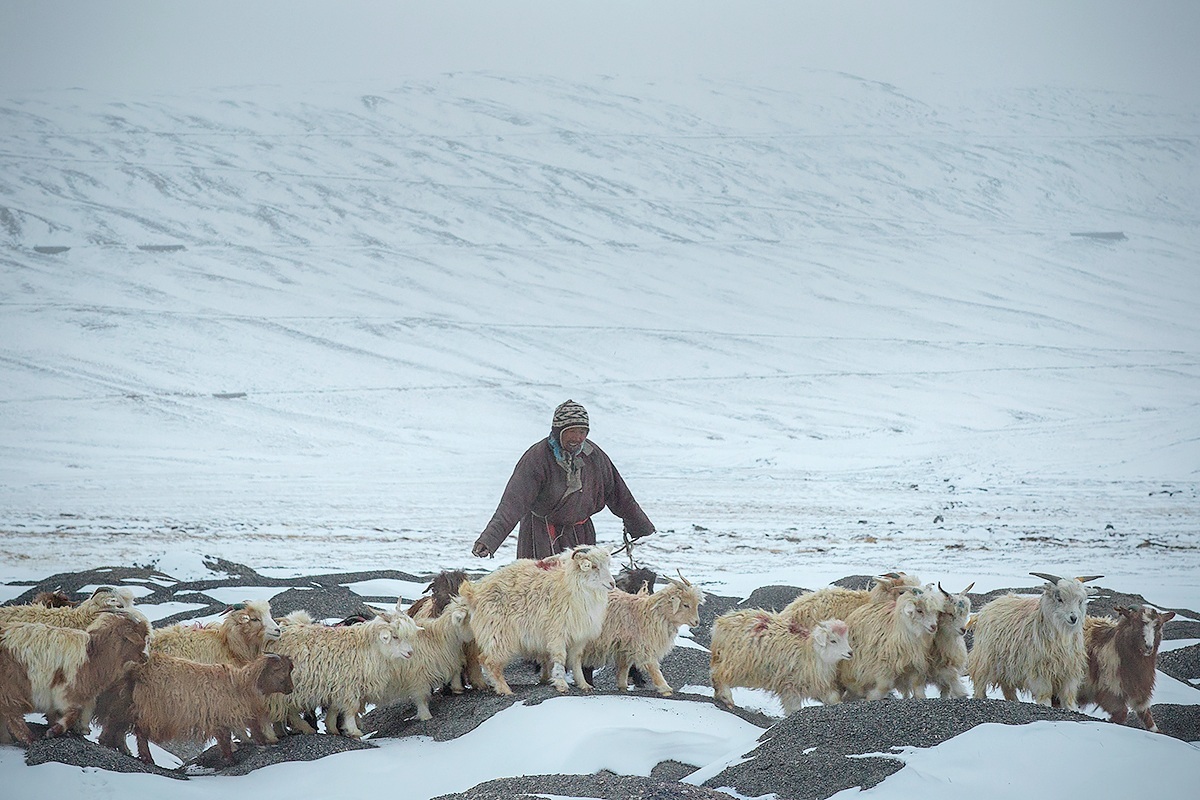
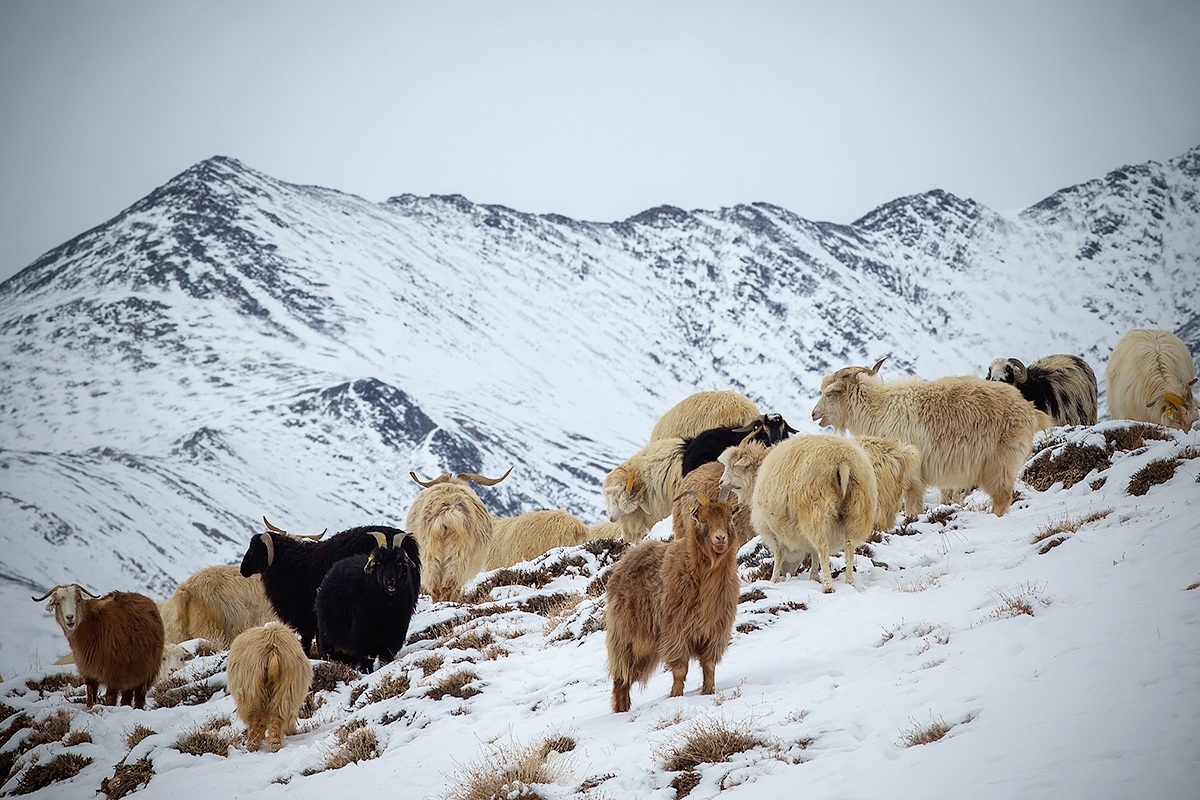
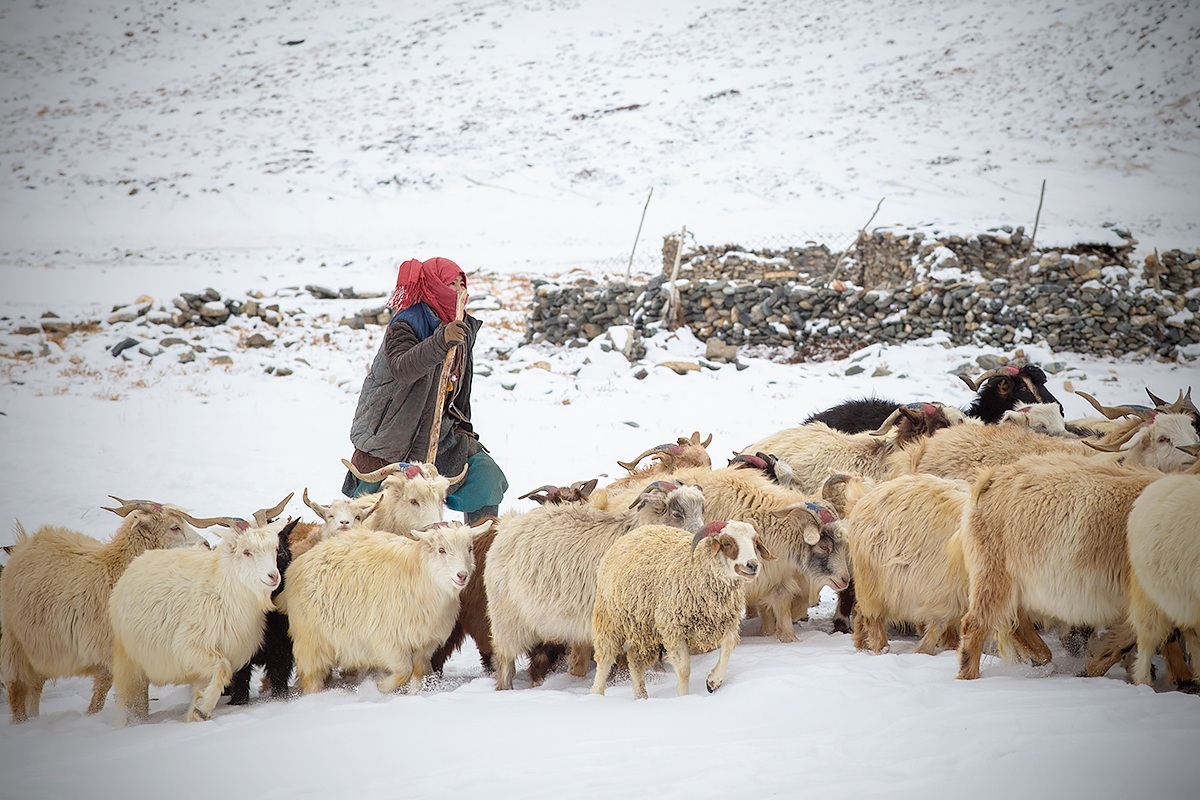
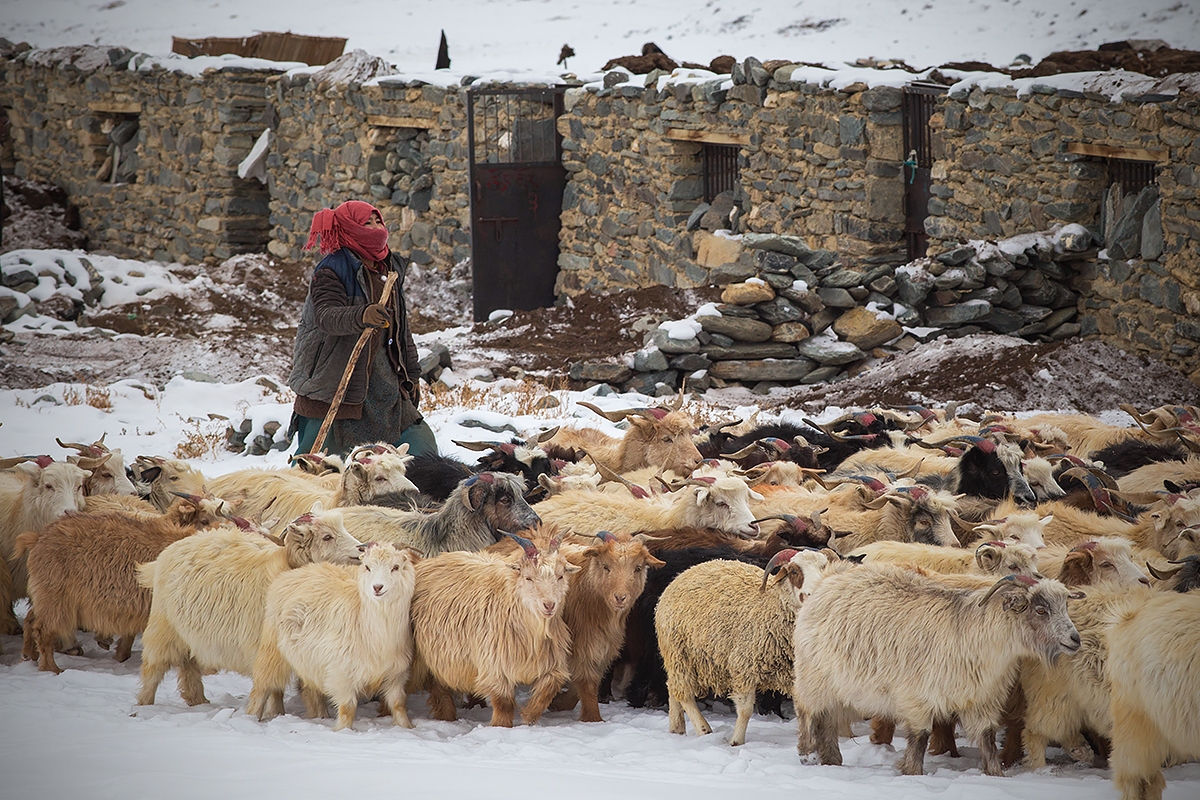
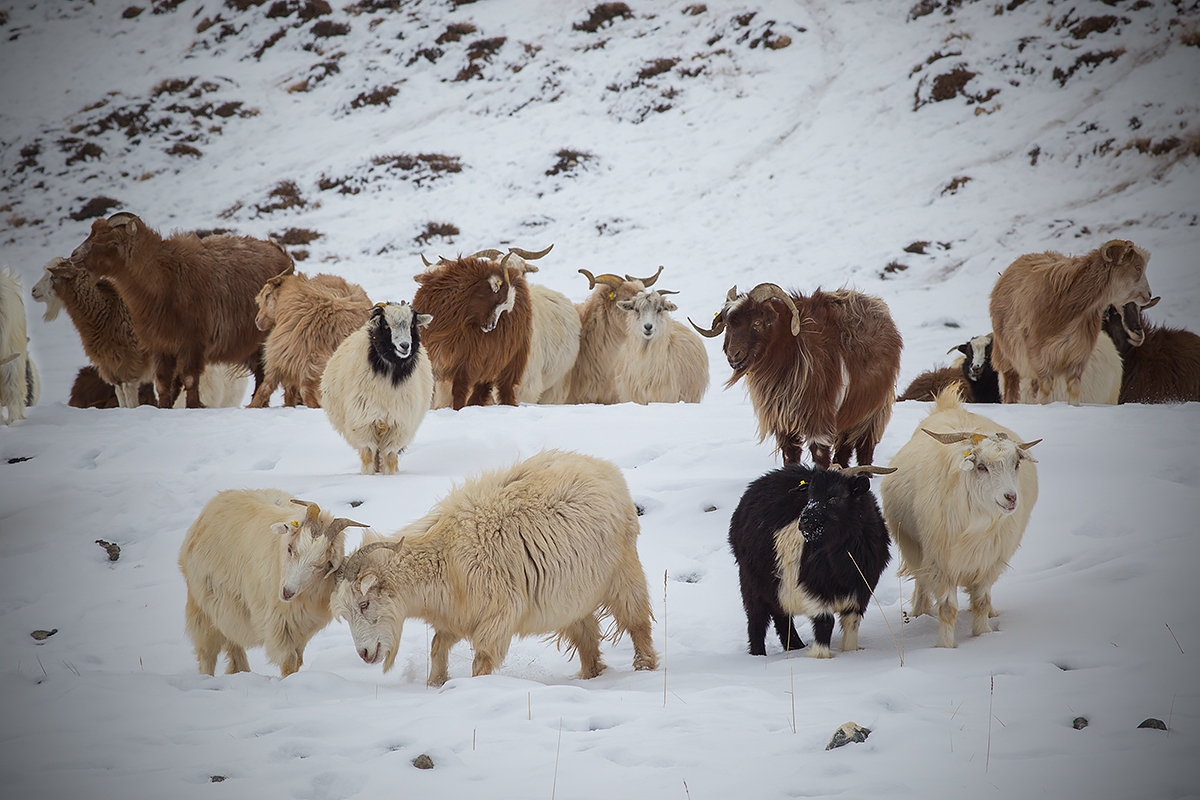
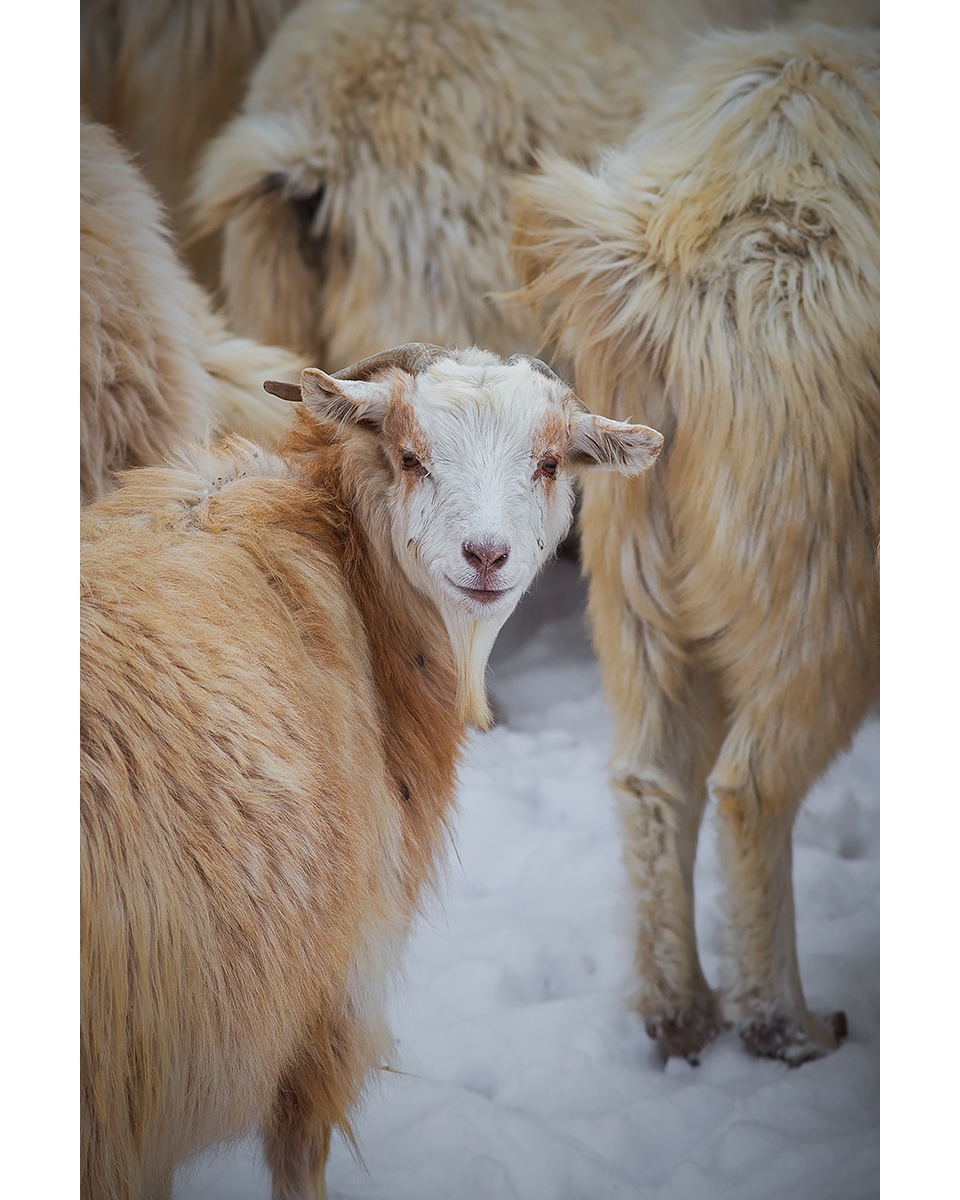
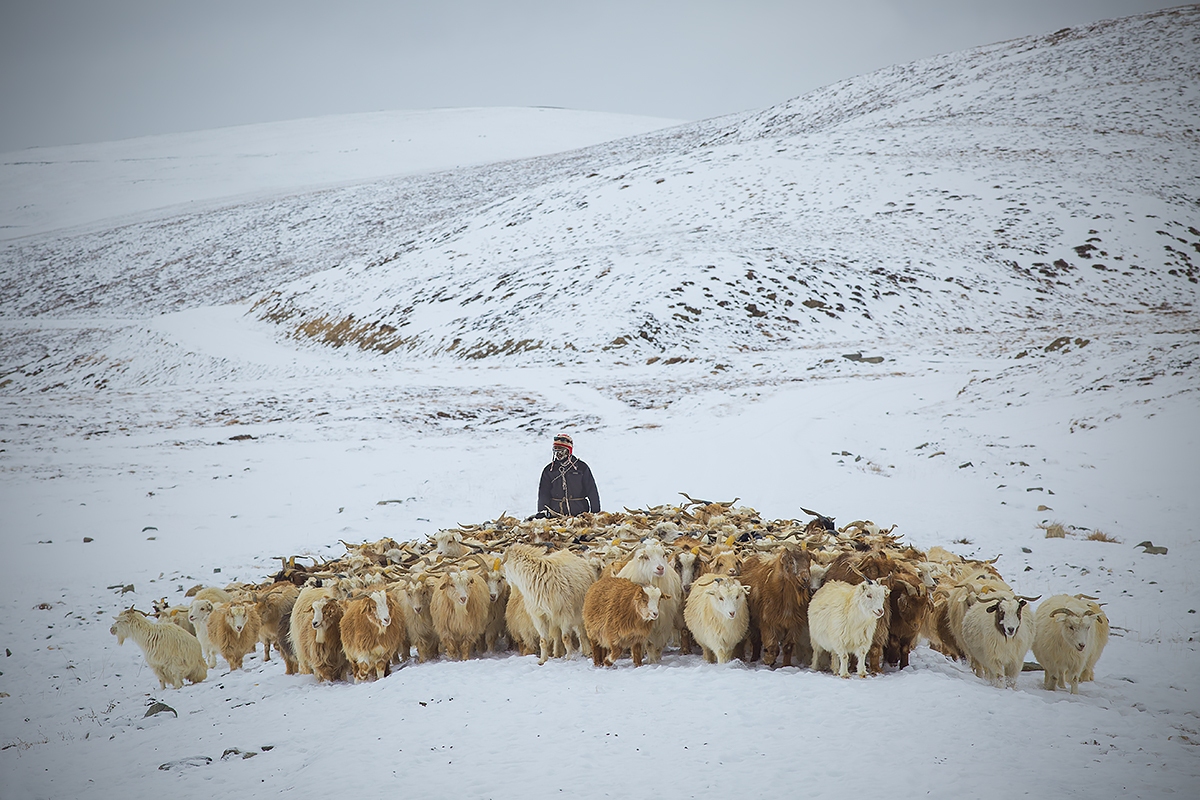
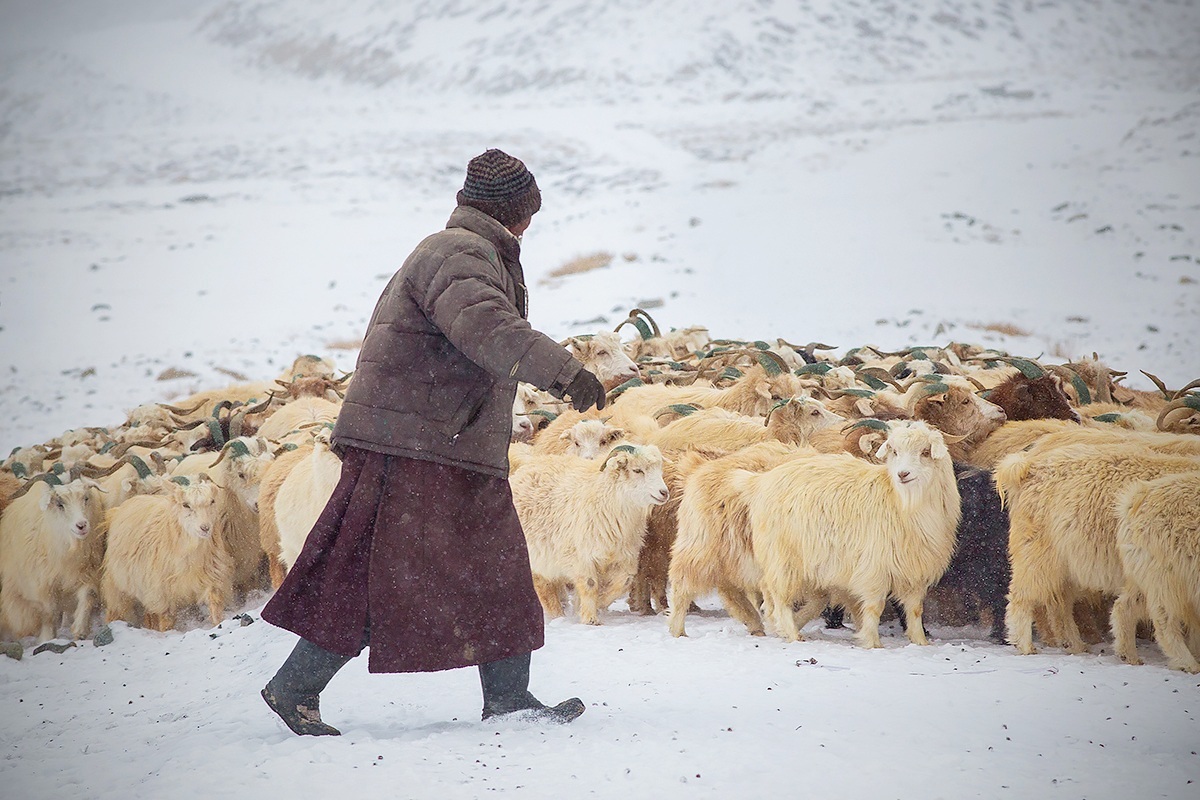
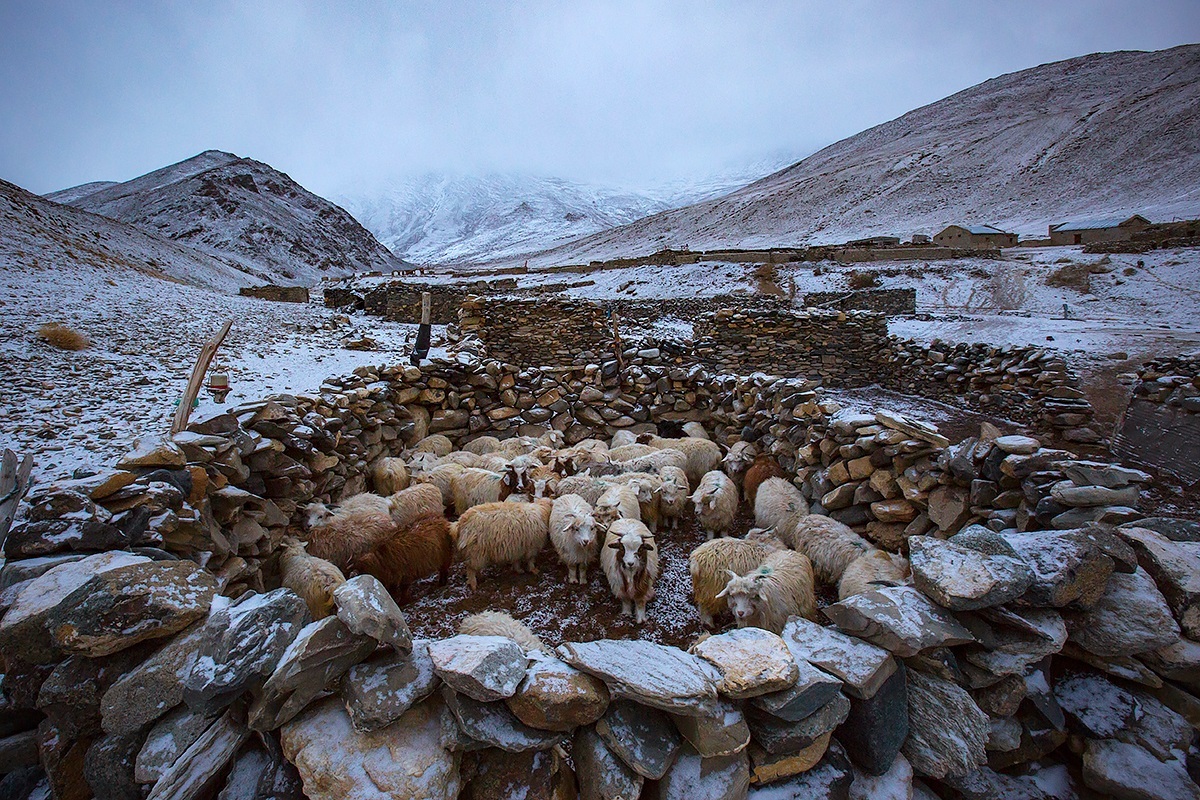
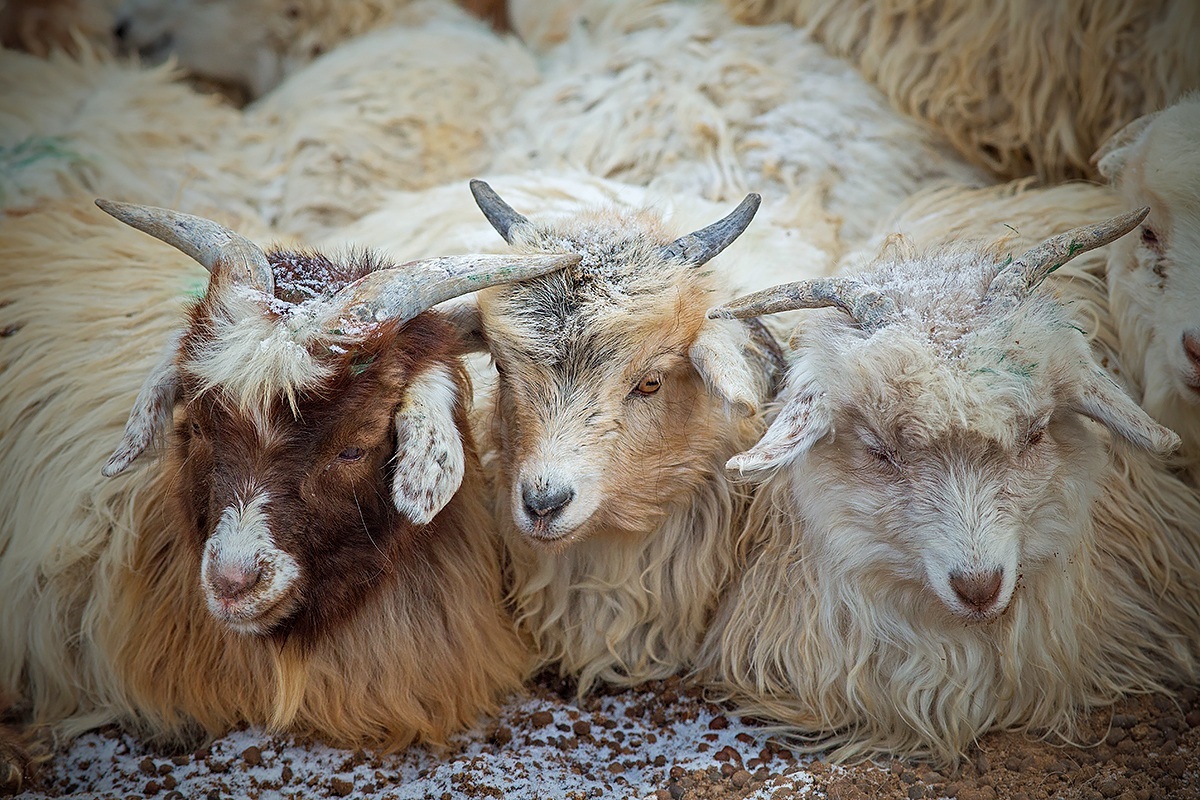
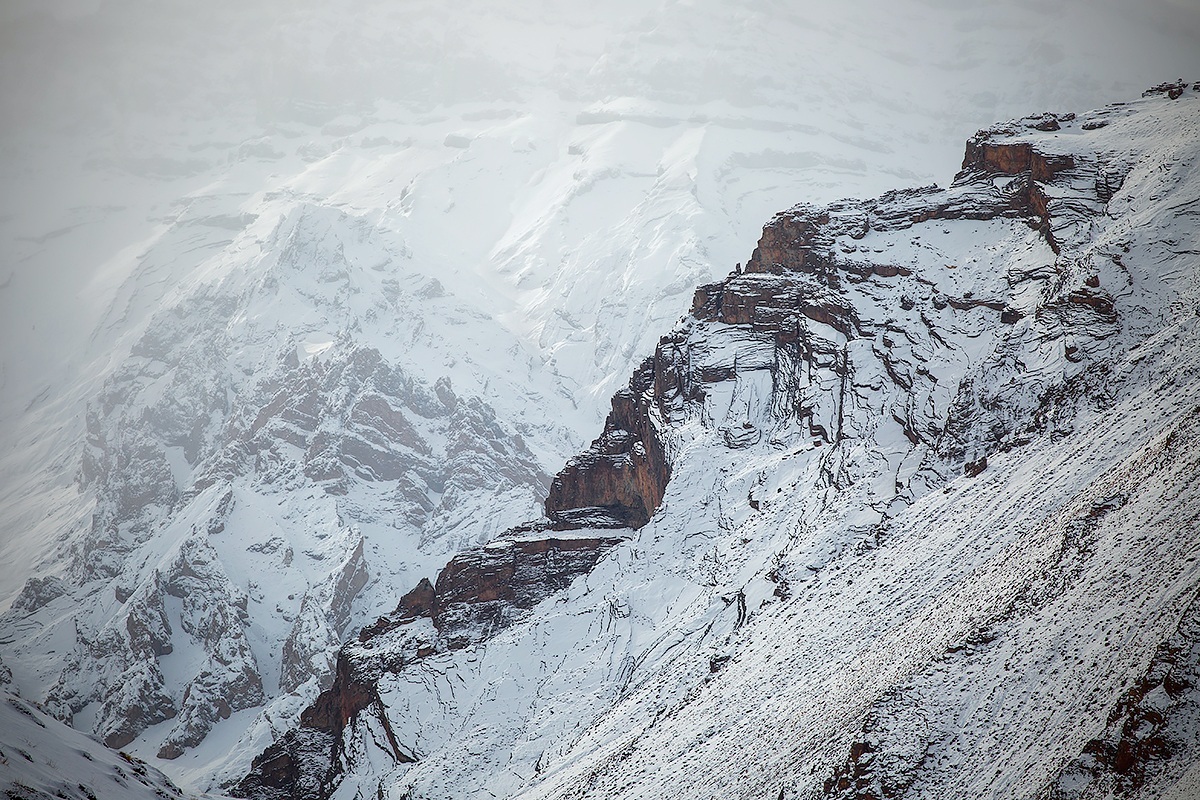
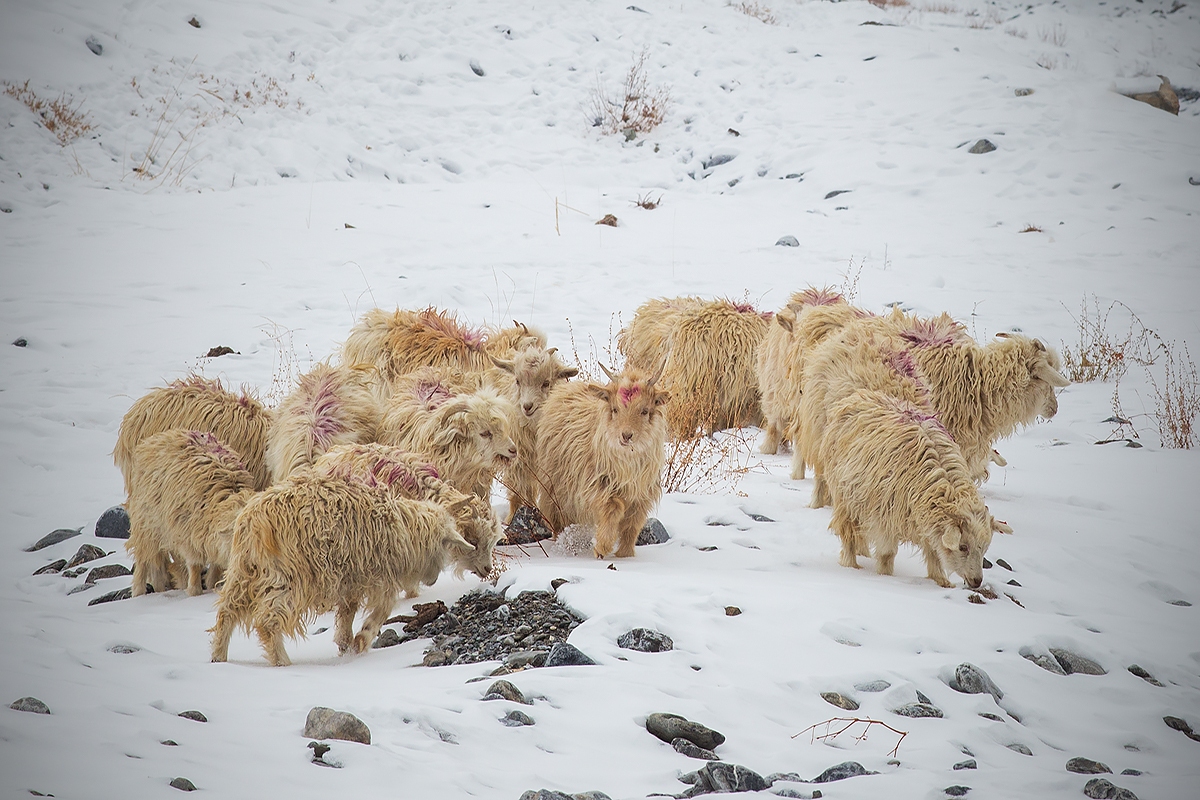
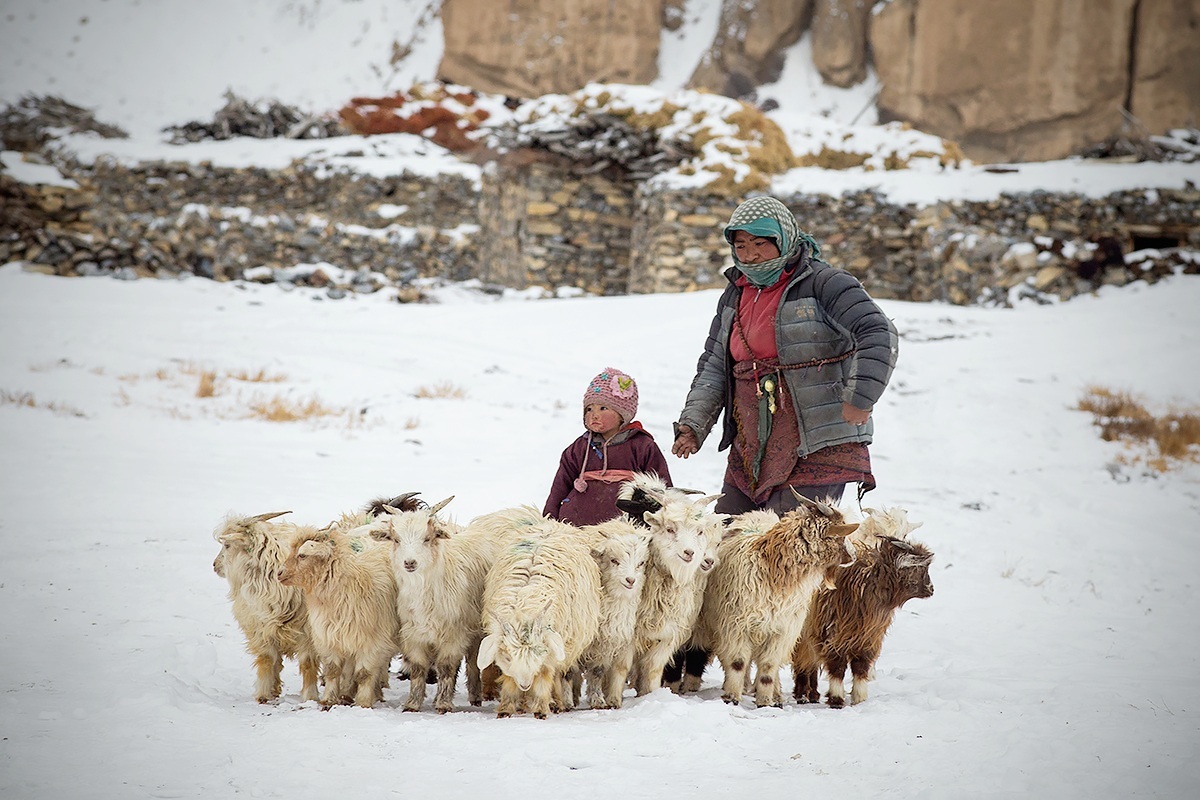
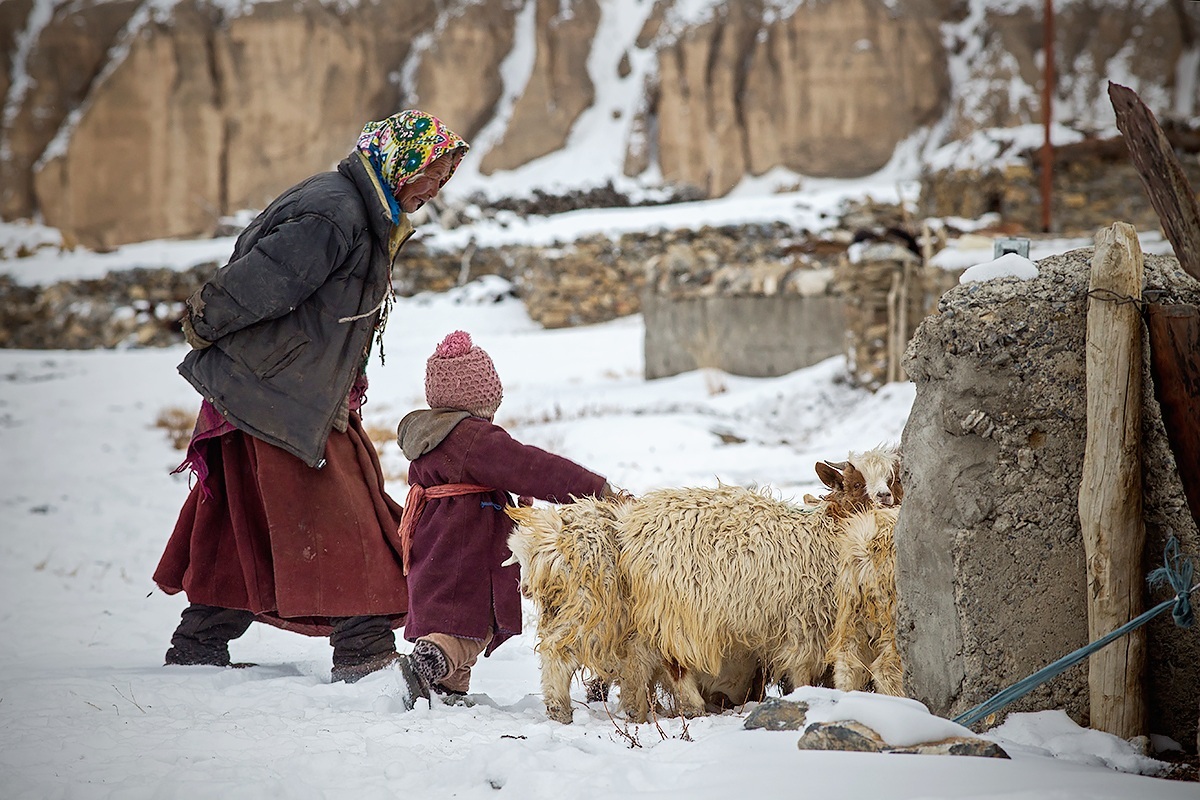
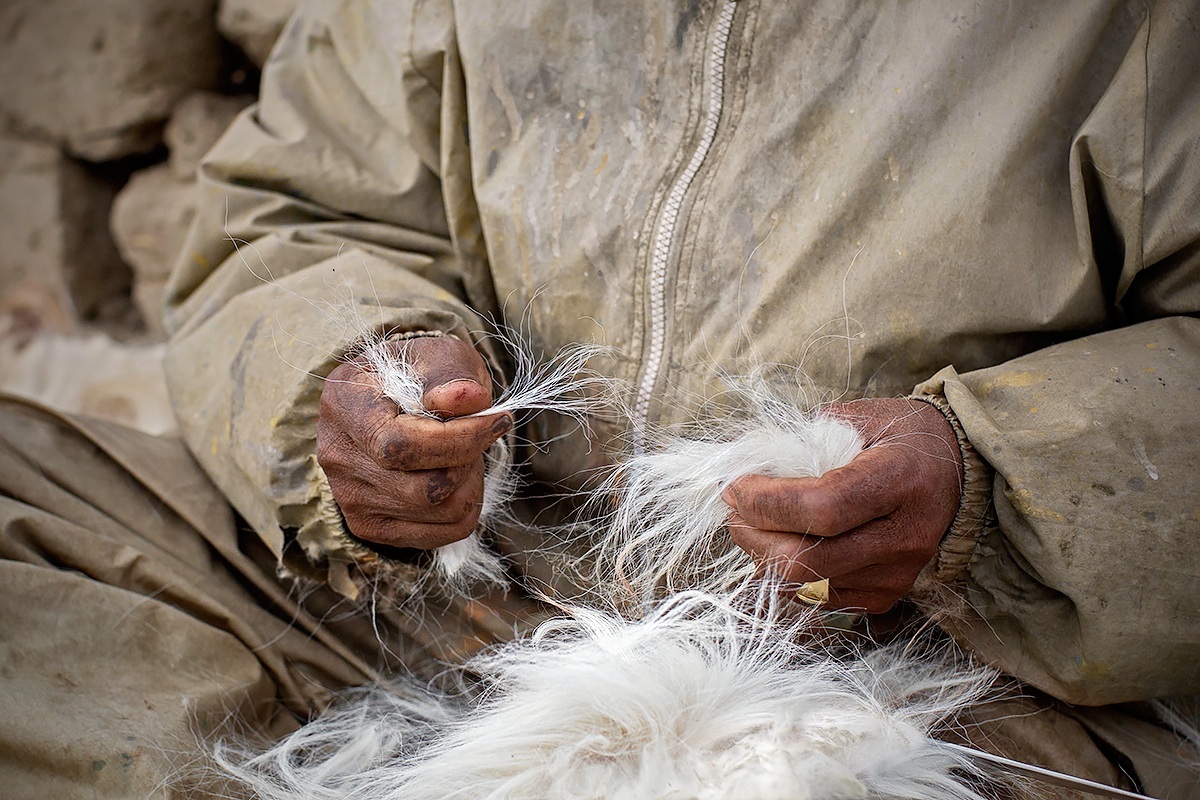
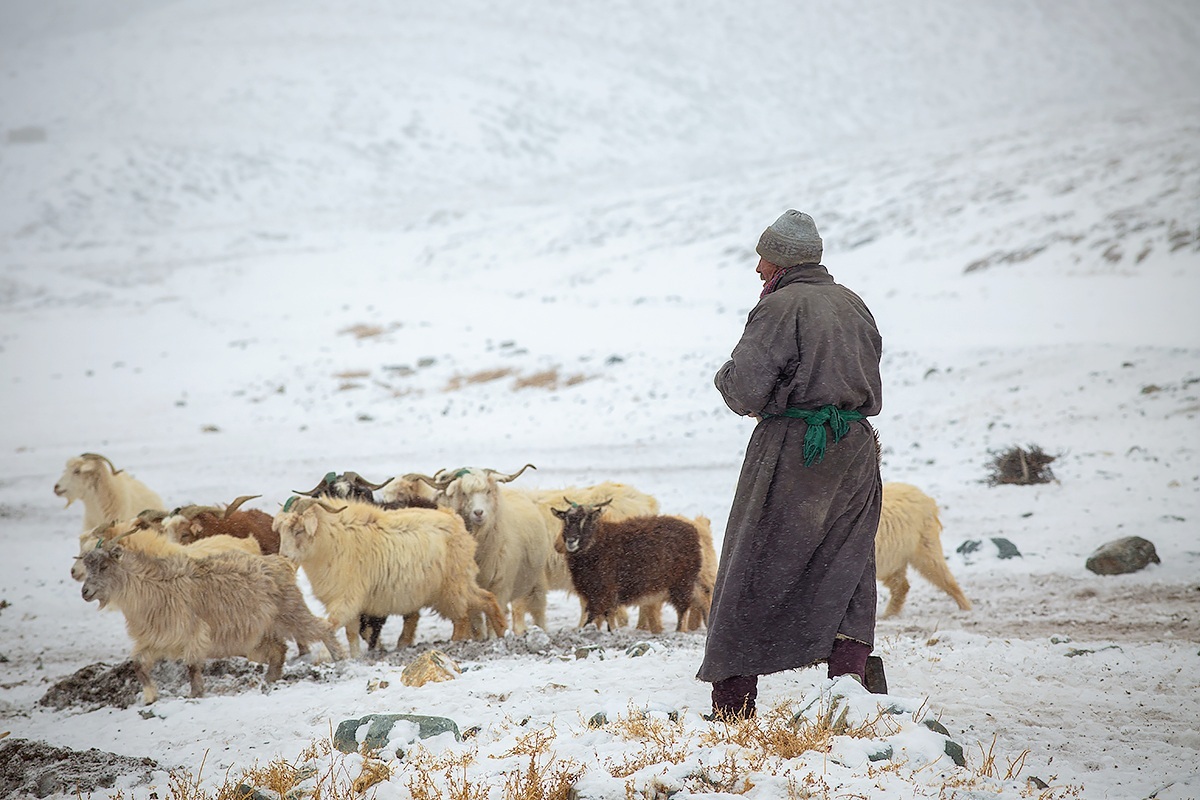
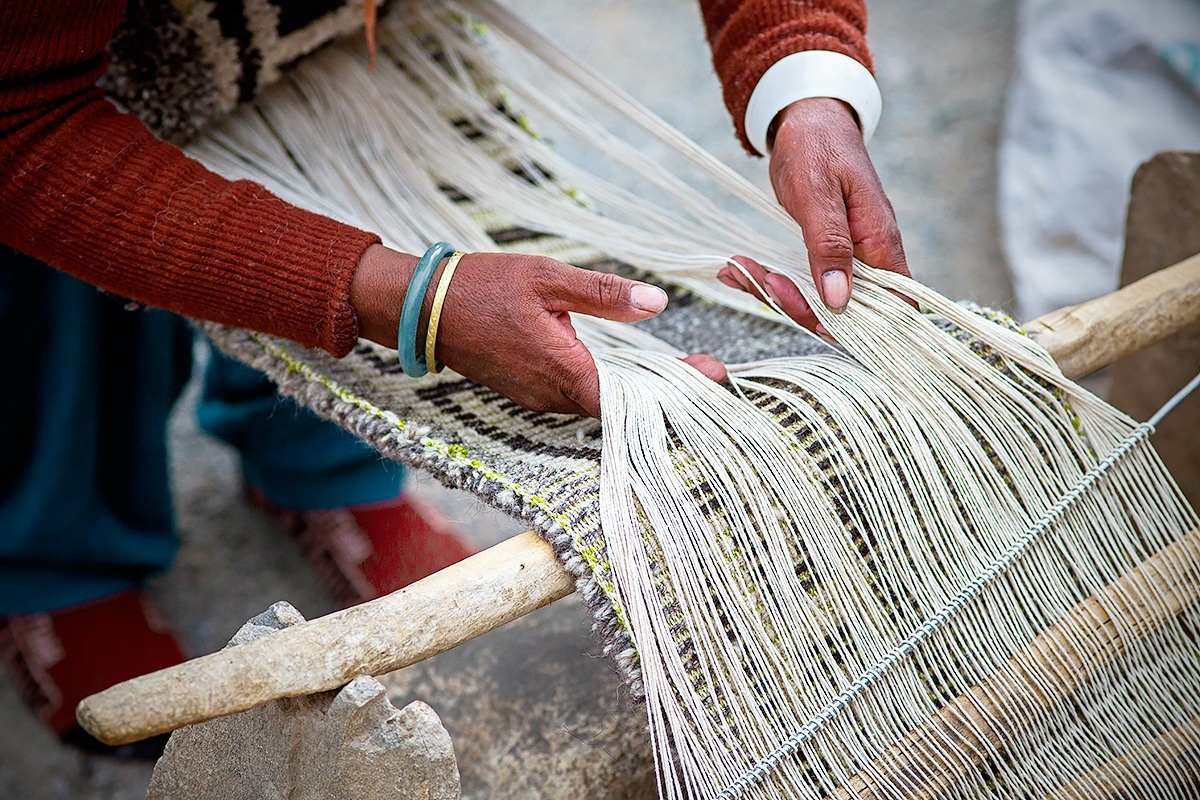
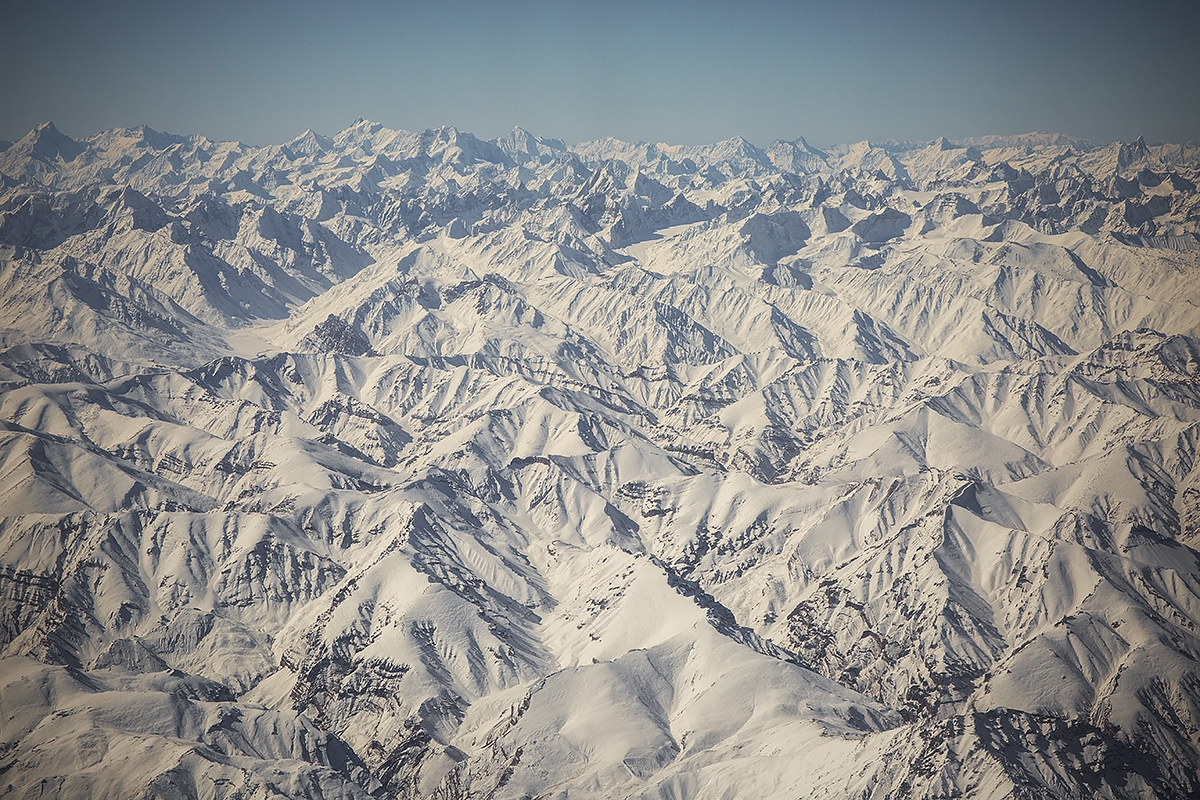
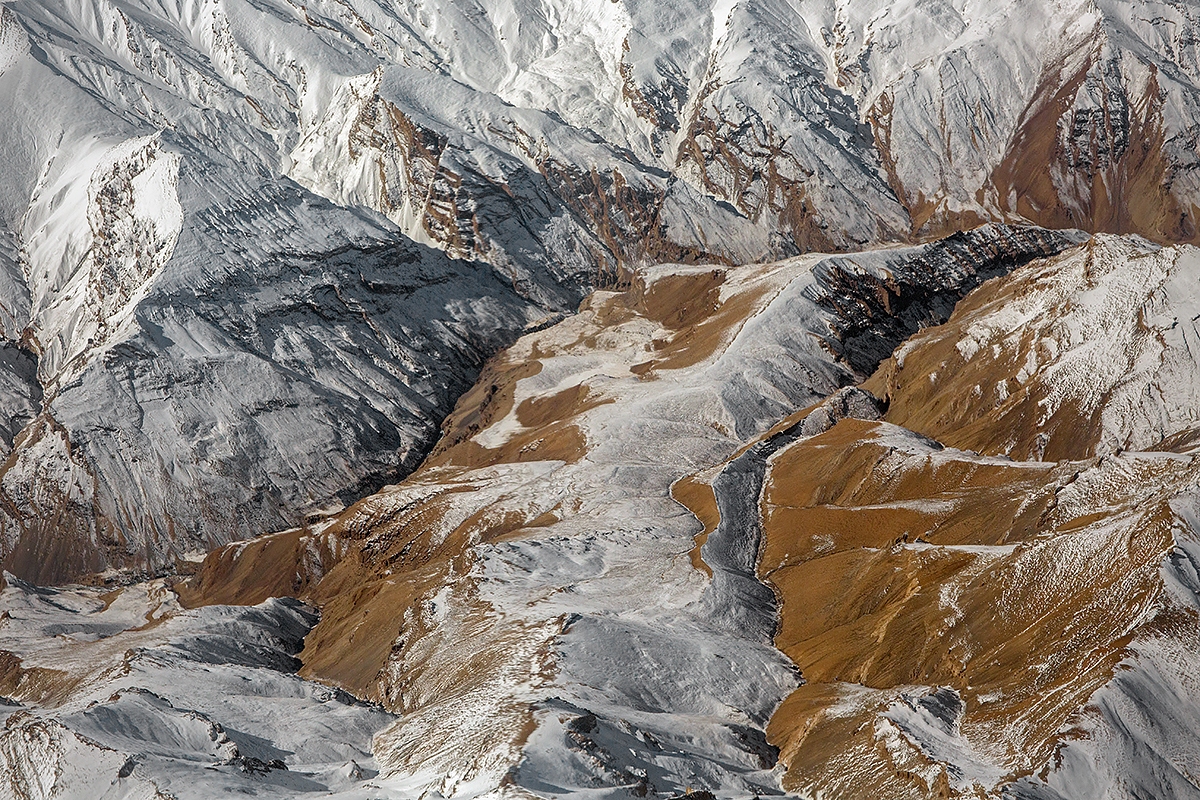
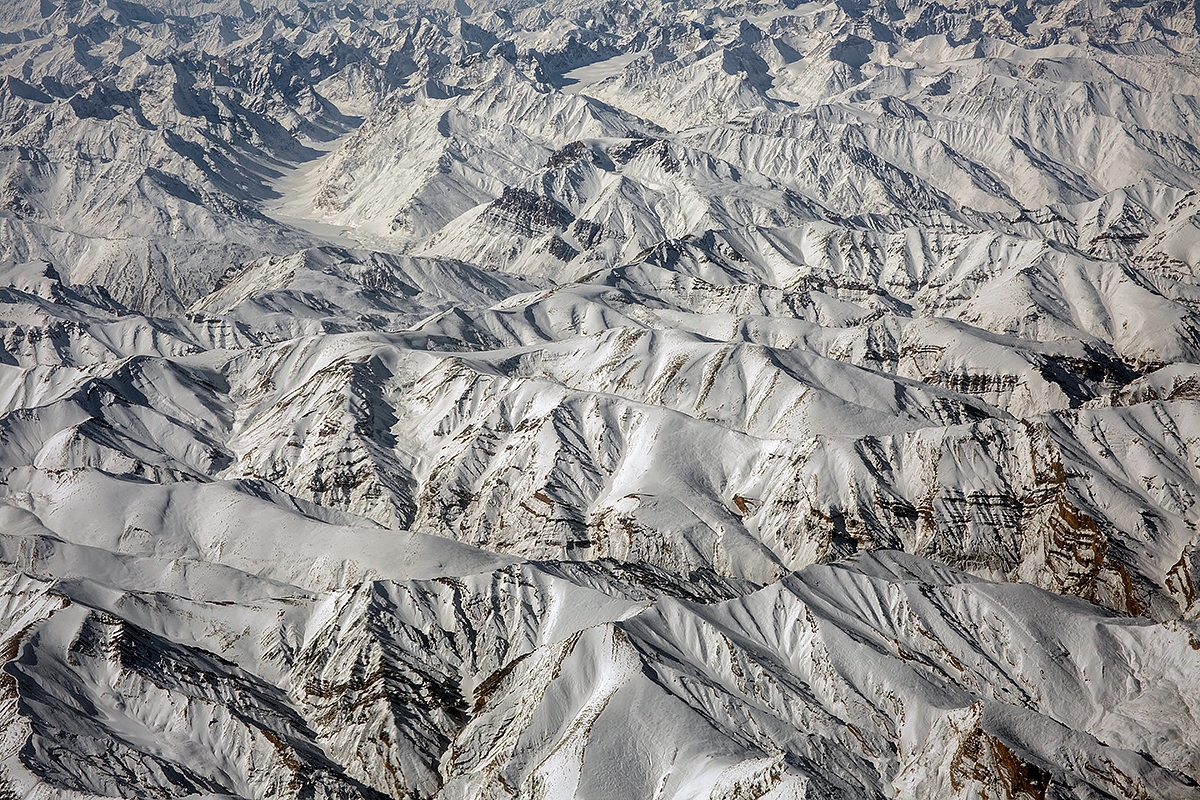
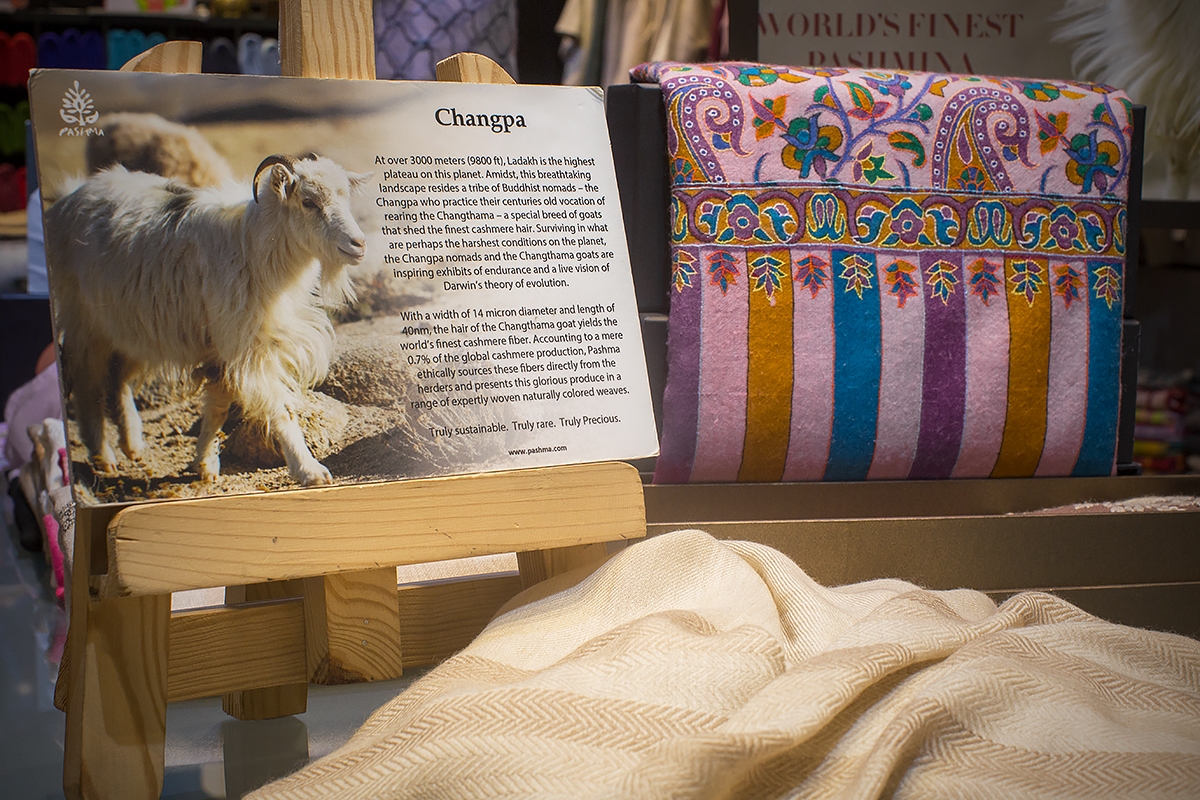
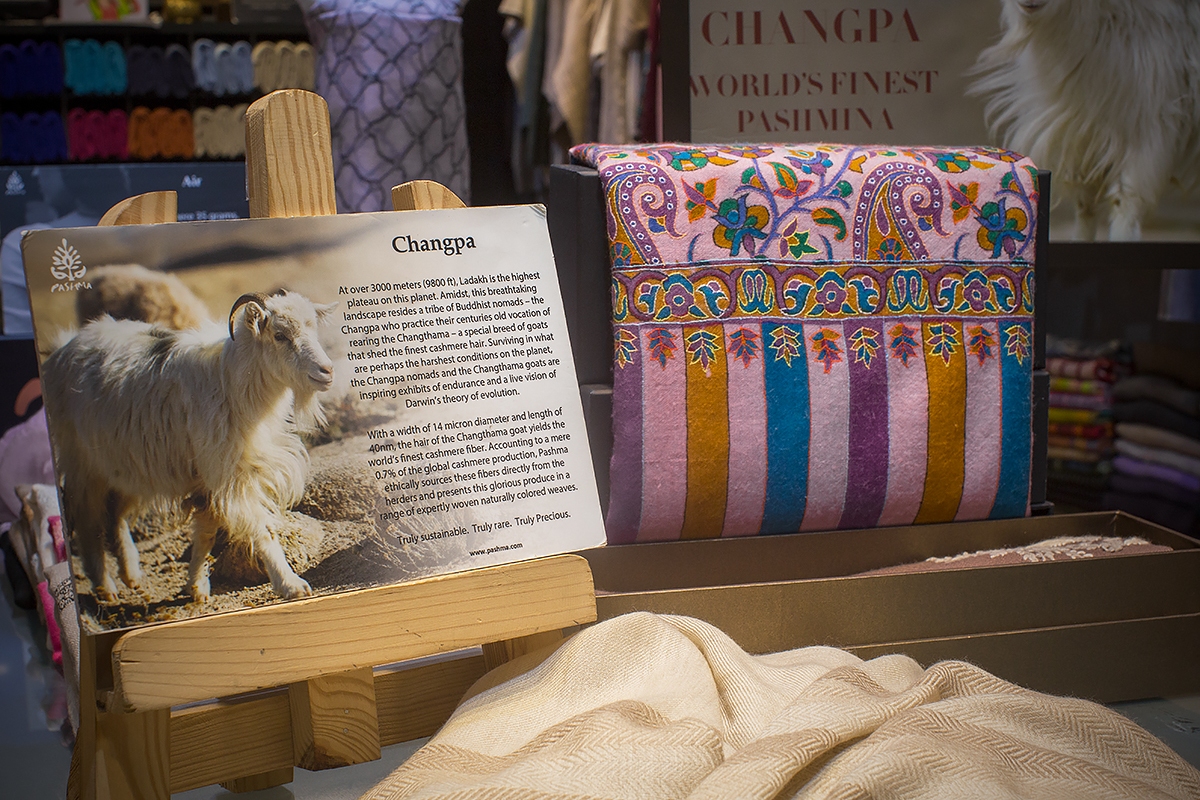
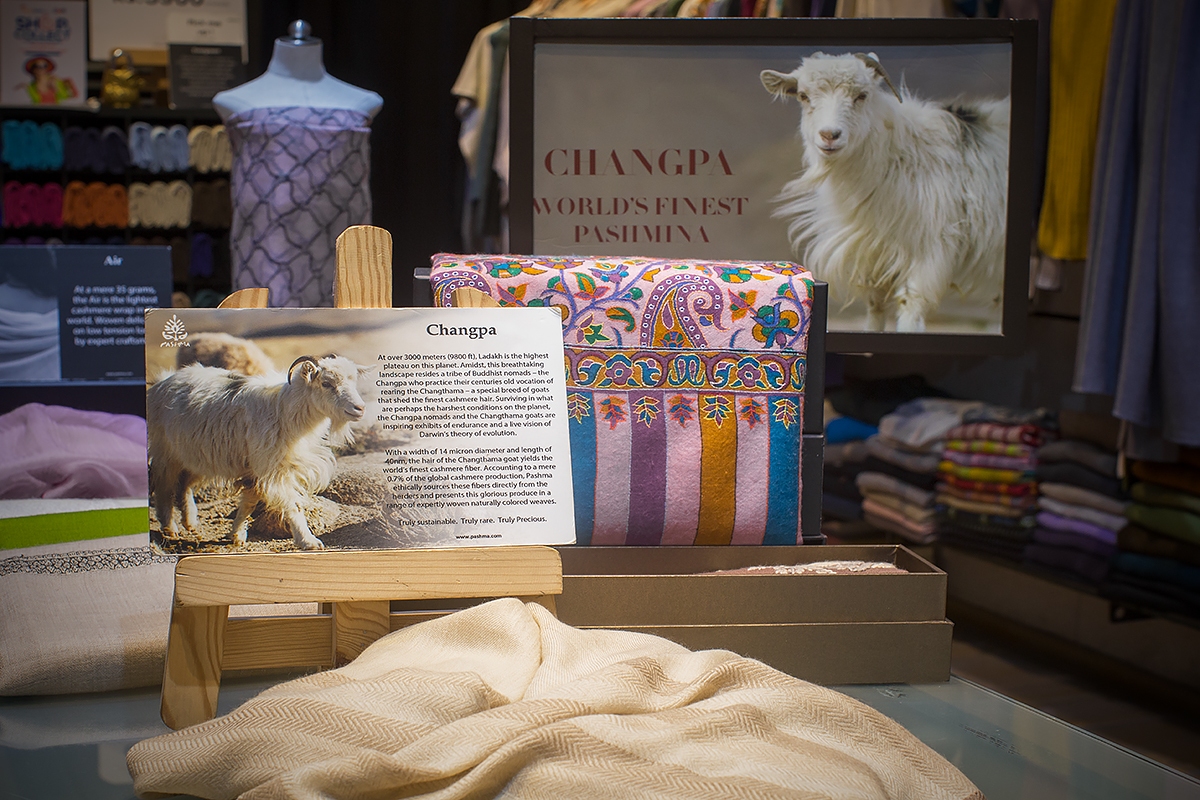
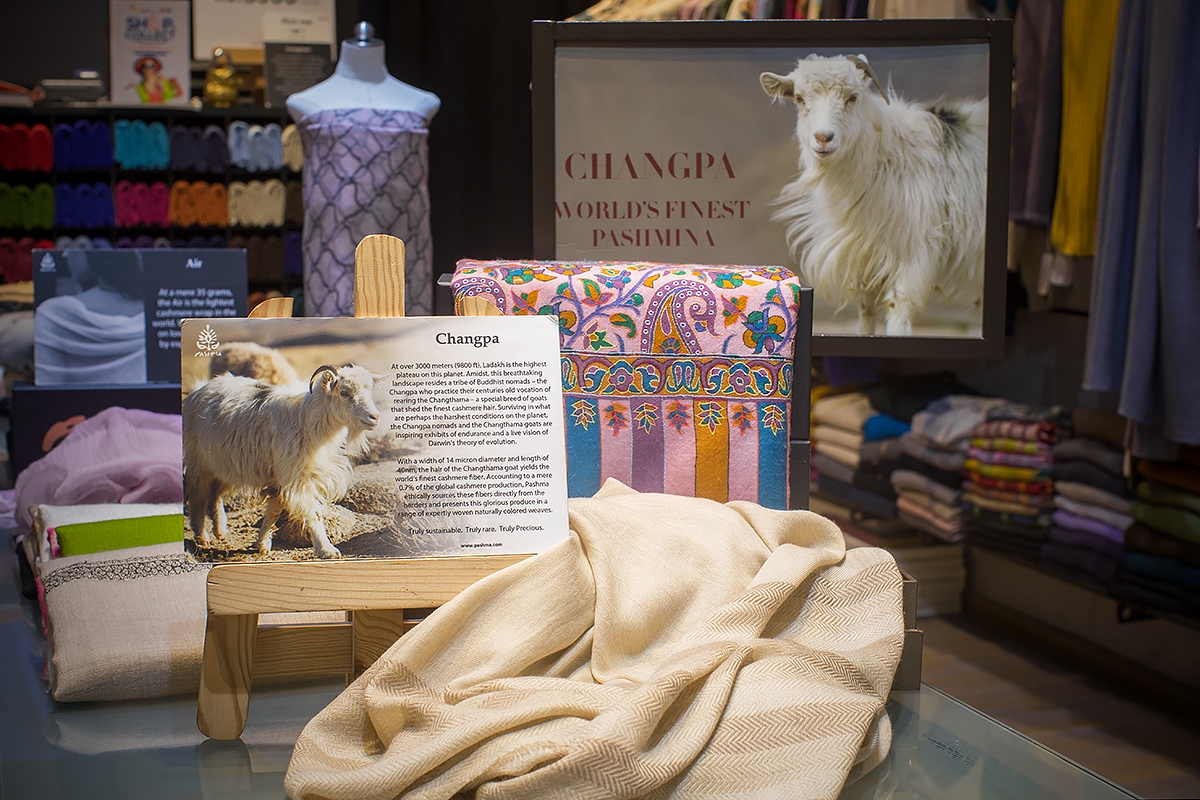
The “Cashmere crisis” in Ladakh refers to the existential threat facing the region’s ancient nomadic Changpa tribe and their Pashmina (Cashmere) goat herds, driven by climate change, territorial border restrictions, and socio-economic shifts. The crisis affecting the high-altitude Changthang plateau encompasses several critical components. Erratic, heavy snowfalls block the goats’ grazing pastures, causing widespread starvation, while summer droughts lead to severe fodder shortages.
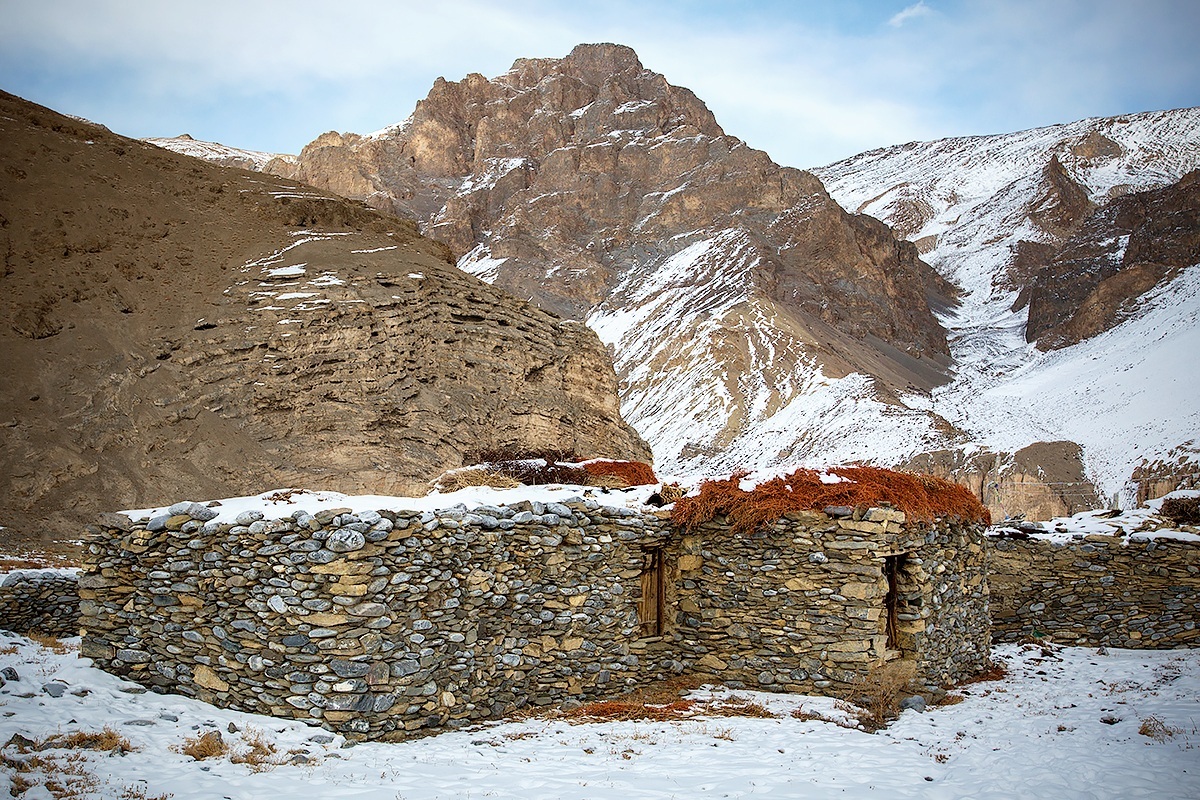
Rising regional temperatures also threaten the harsh, freezing conditions needed for goats to grow their ultra-fine, super-soft undercoat. Traditional migratory routes have been severely limited due to increased military presence and restricted border access with China, trapping herds in less forgiving higher altitudes and causing high mortality rates among newborn kids. Due to these compounding hardships and the difficulty of the nomadic way of life, younger generations of Changpa are increasingly migrating to urbanized centers like Leh to seek more stable, modern livelihoods as tour guides or construction workers.
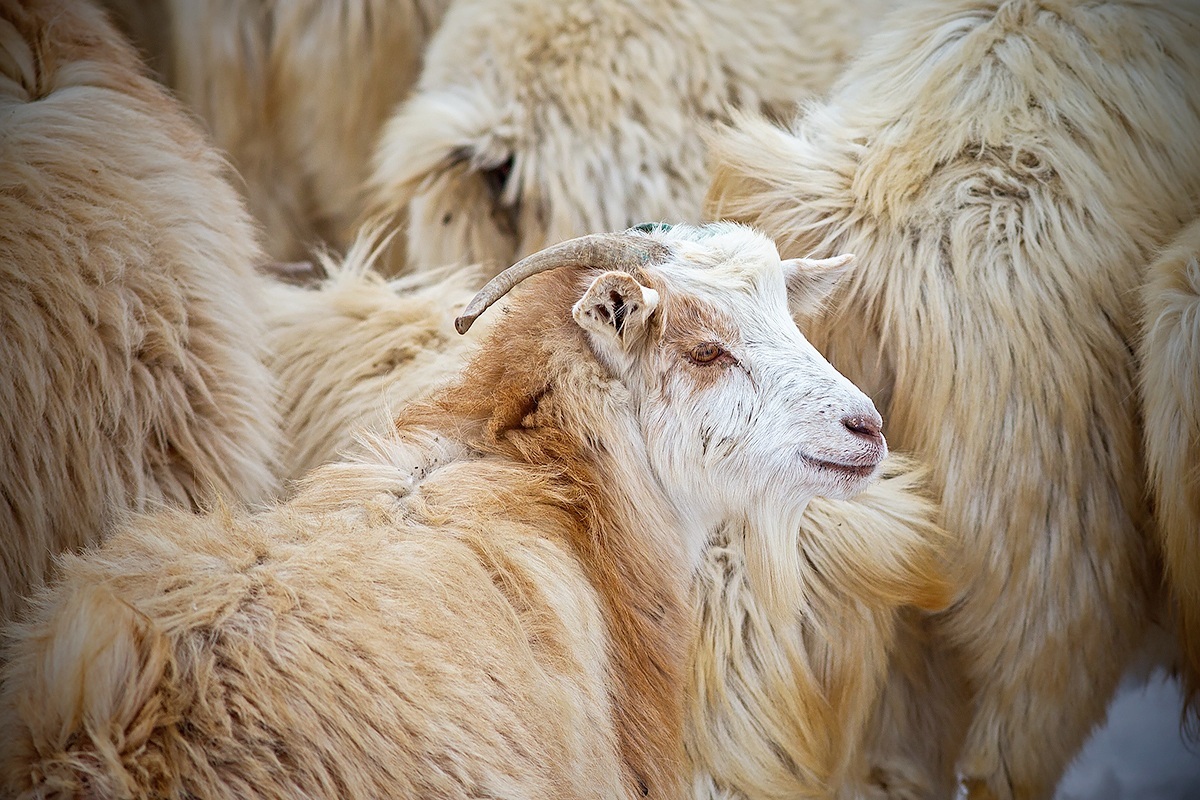
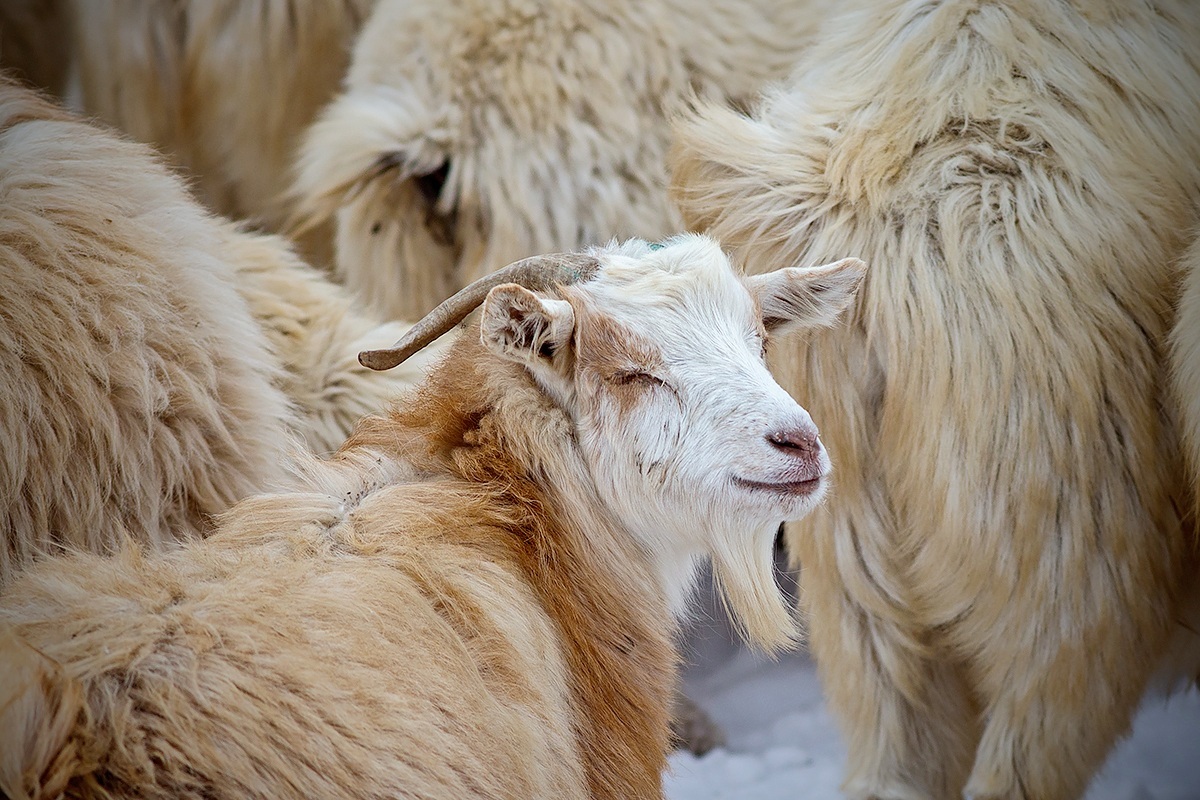
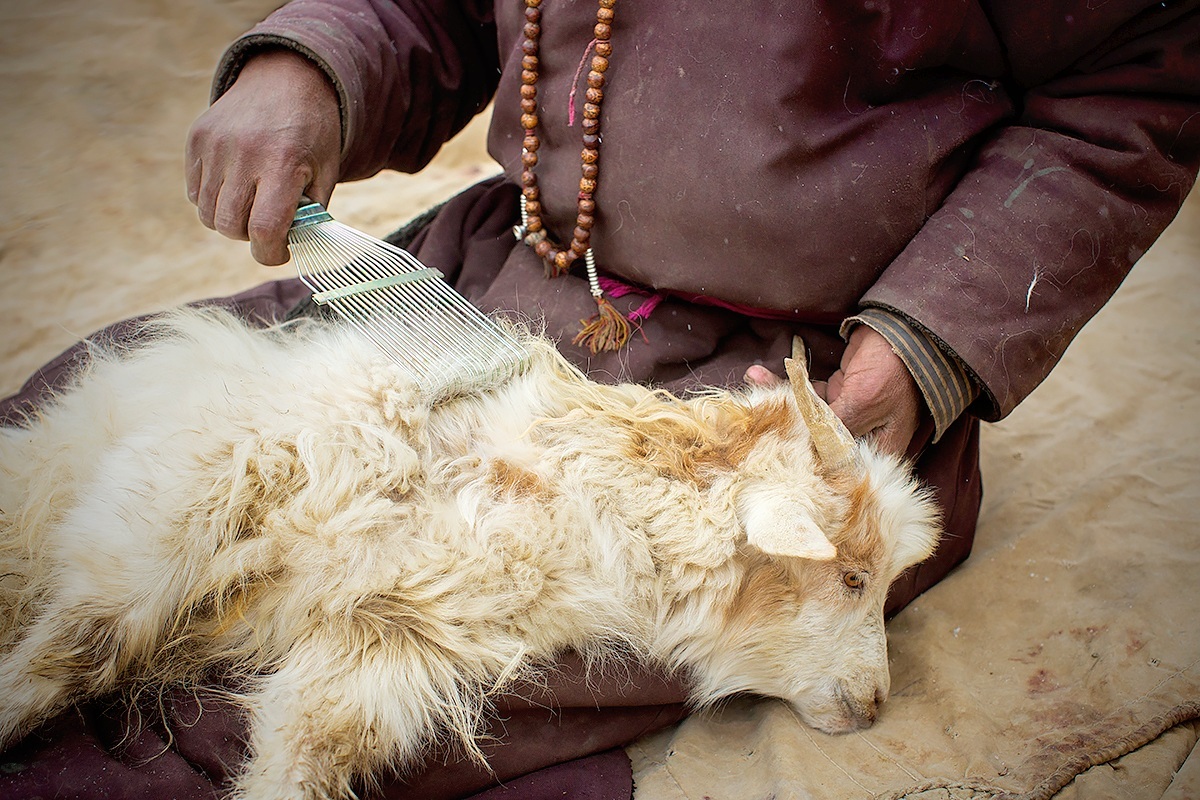
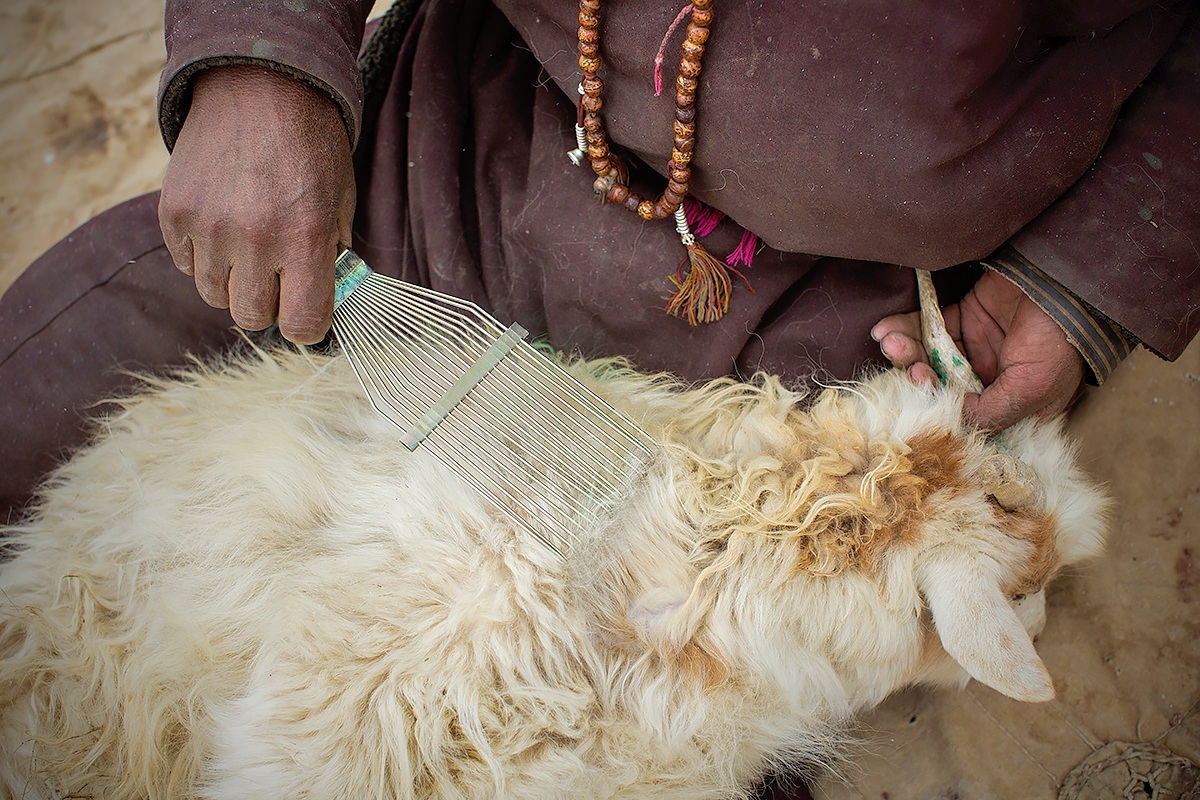
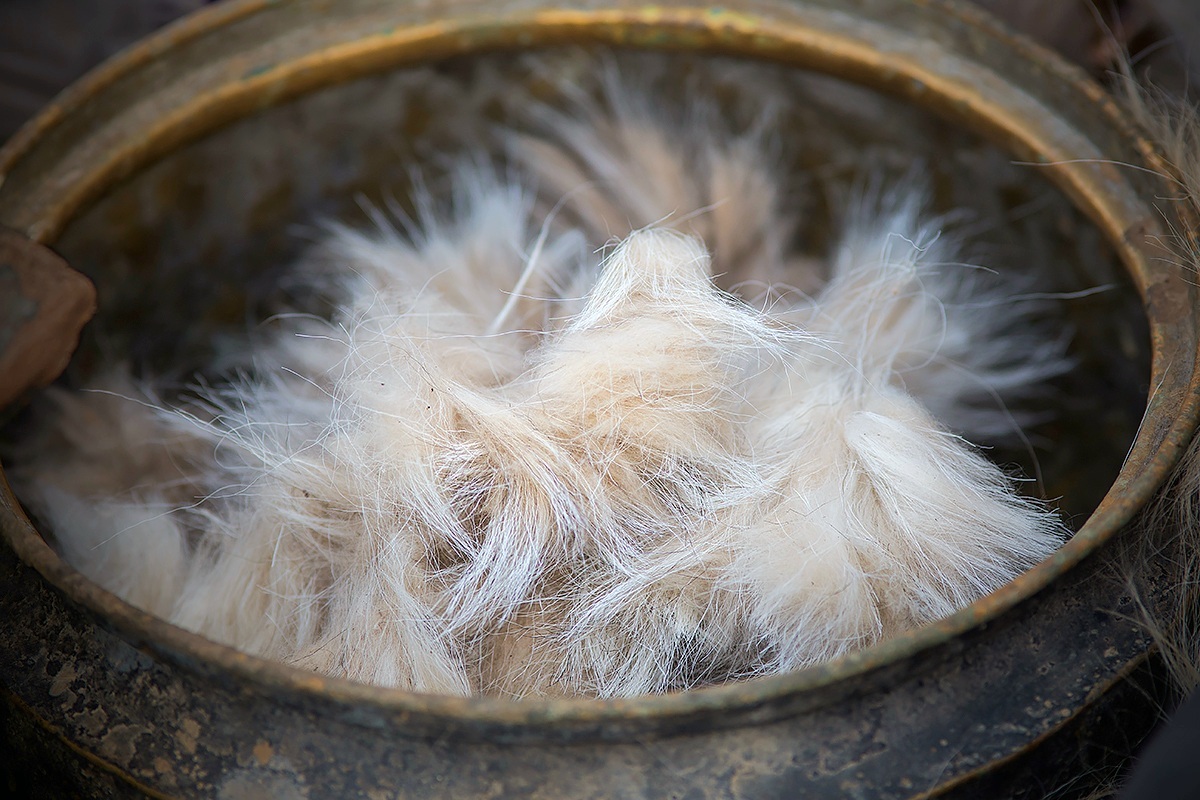
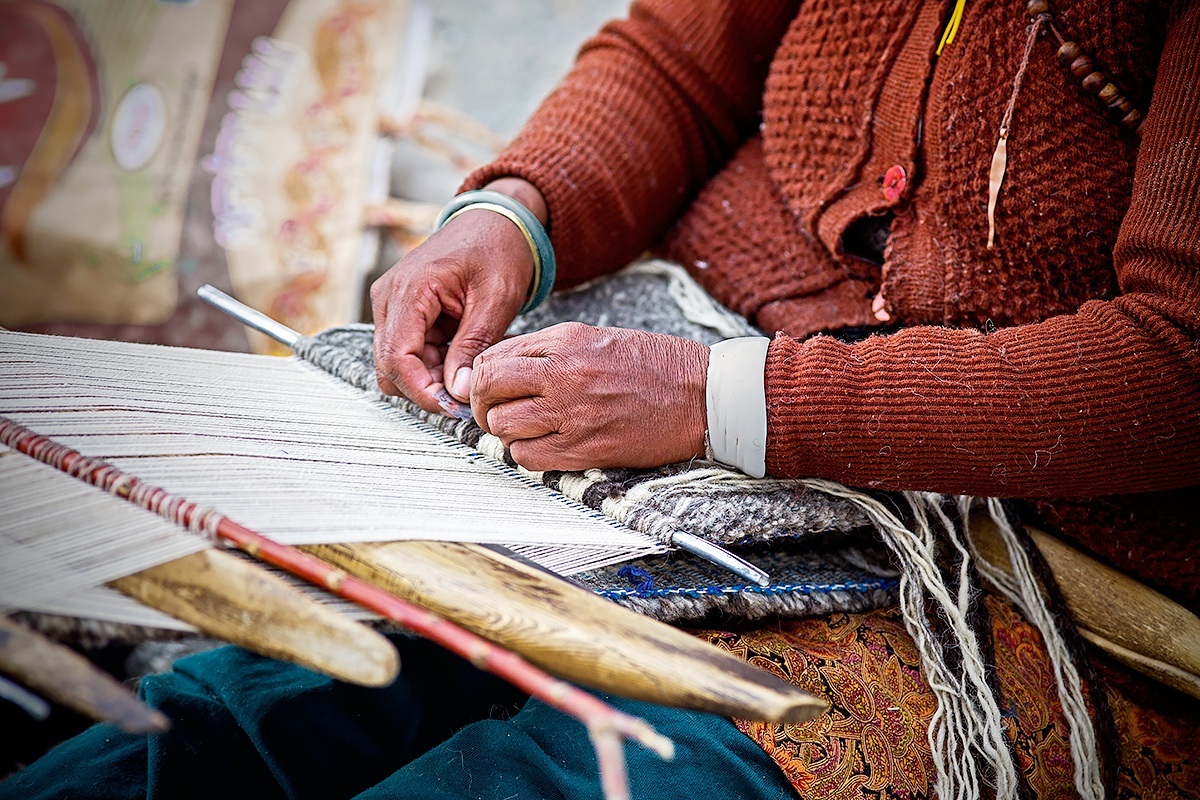
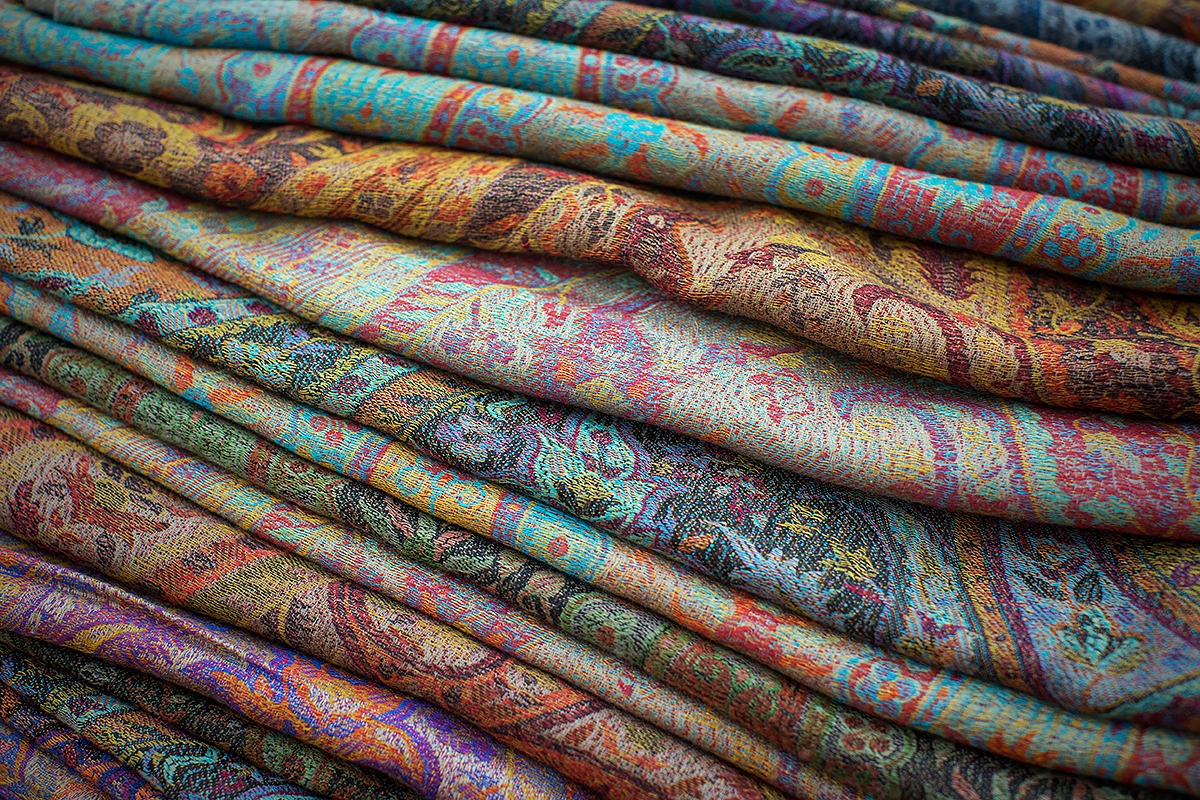
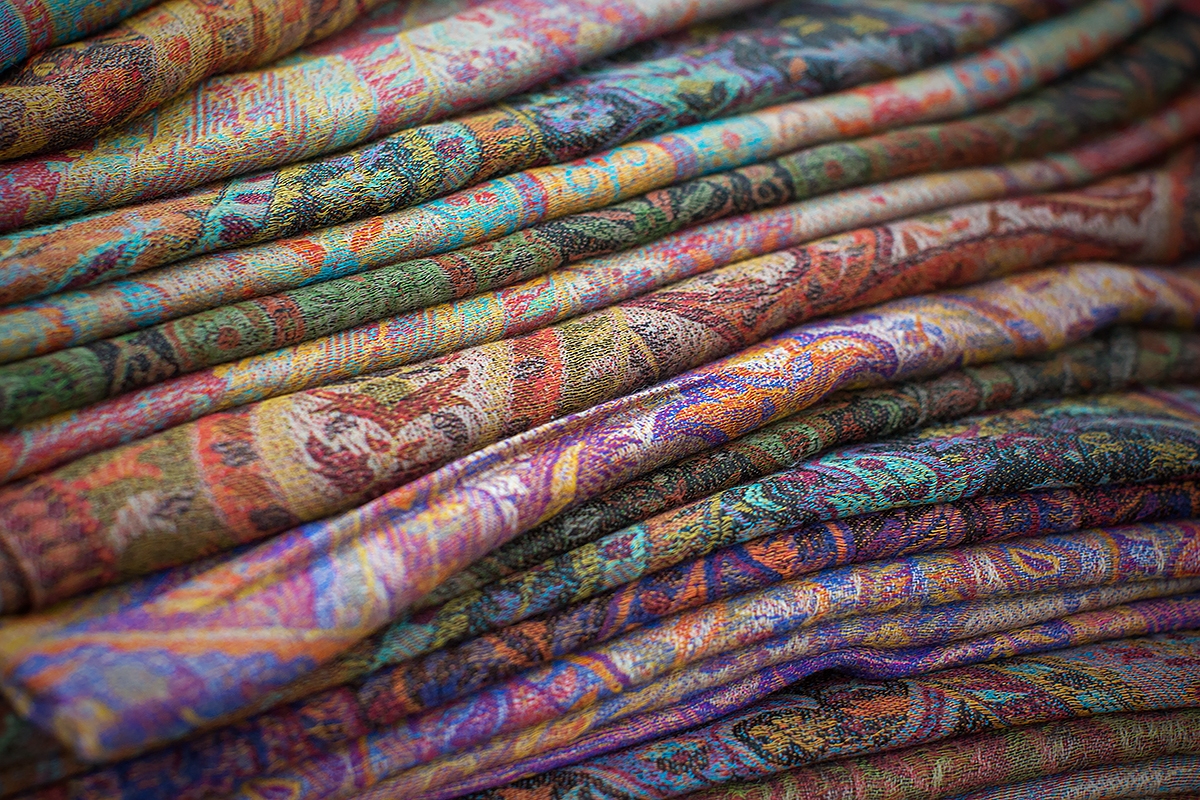
As the authentic Ladakh Pashmina supply shrink, producing less than 1% of the world’s raw cashmere, weavers in neighboring Kashmir are increasingly importing lower-grade, cheaper wool from China and Mongolia to meet demand, which dilutes the brand. To combat the potential extinction of genuine Pashmina, authorities have taken localized steps such as approving the Ladakh Pashmina Development Board to boost processing, branding, and sustainable development.