.
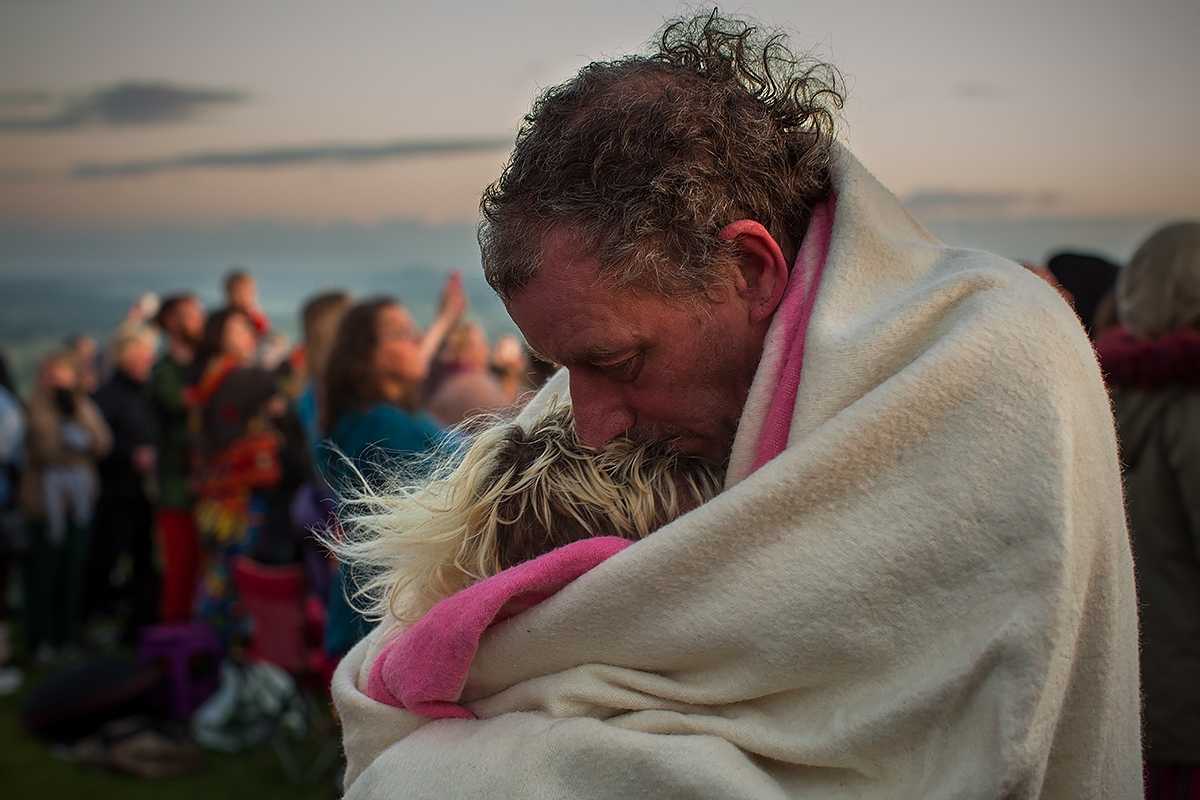
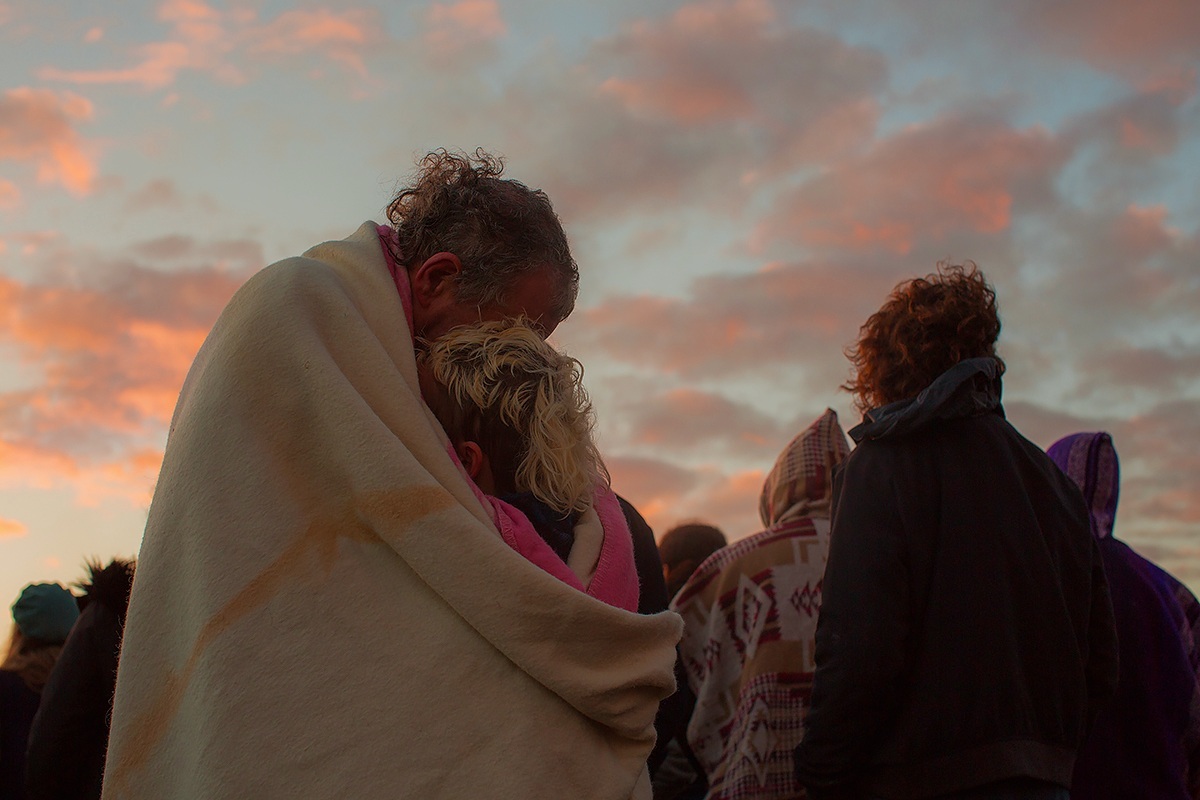
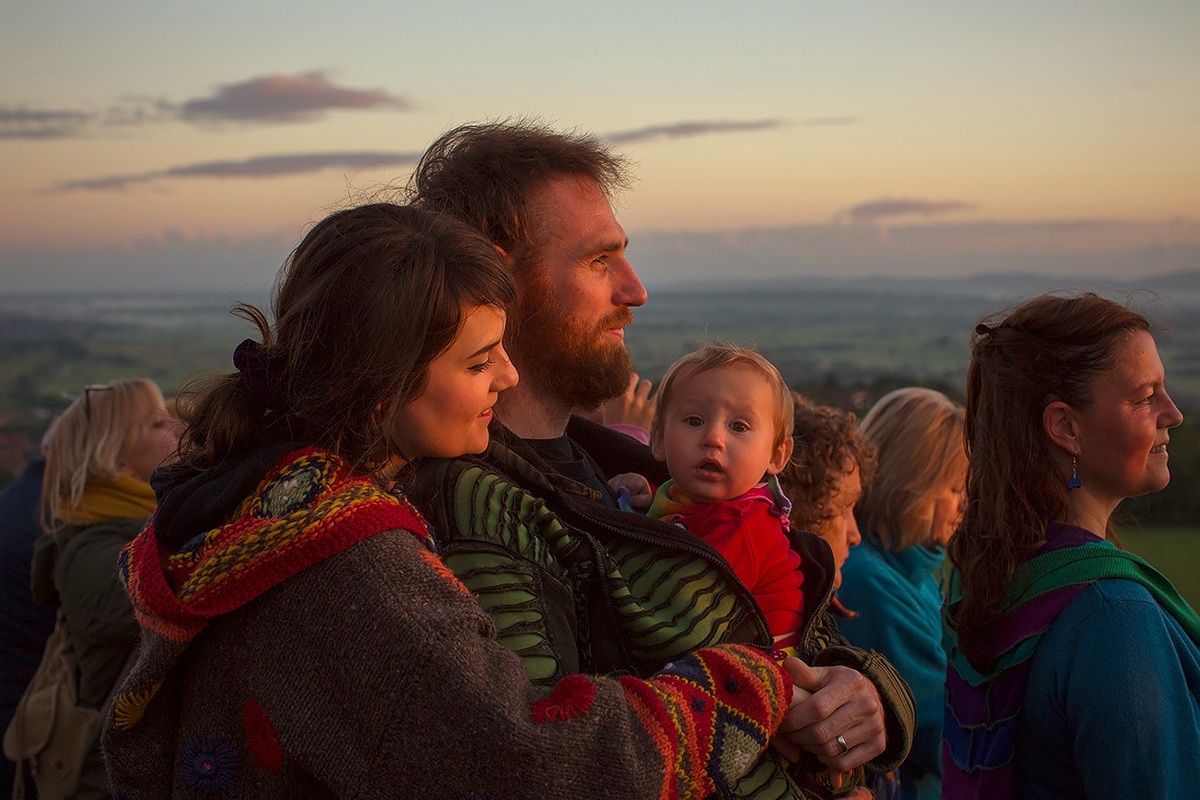
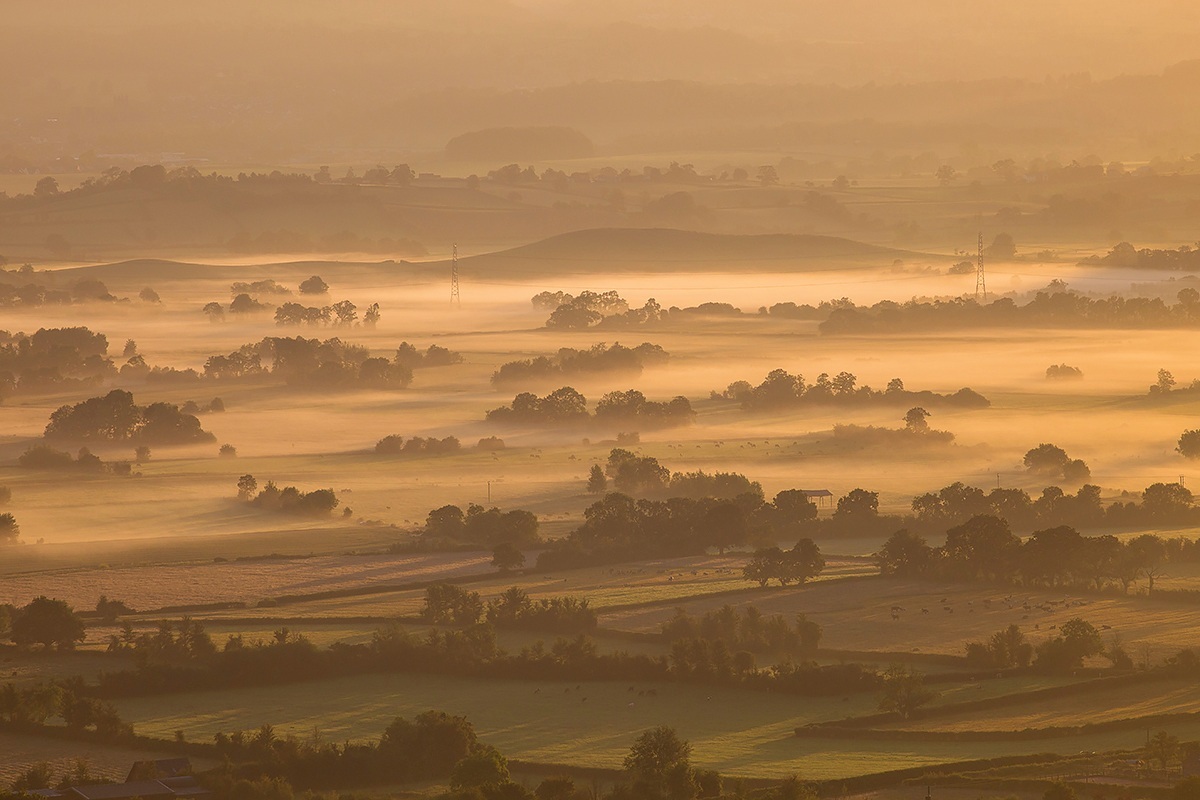
SOLSTICE – Stonehenge & Glastonbury, England
In Northern and Central European Neolithic cultures, the summer solstice may have been related to timings of crop cycles. It was typically marked by Celtic, Slavic and Germanic people by lighting bonfires, intended to boost the sun’s strength for the remainder of the crop season and ensure a healthy harvest. The solstice sits within a wider celestial framework, complemented by seasonal equinoxes marking spring and autumn as well as daily, monthly and annual cycles.
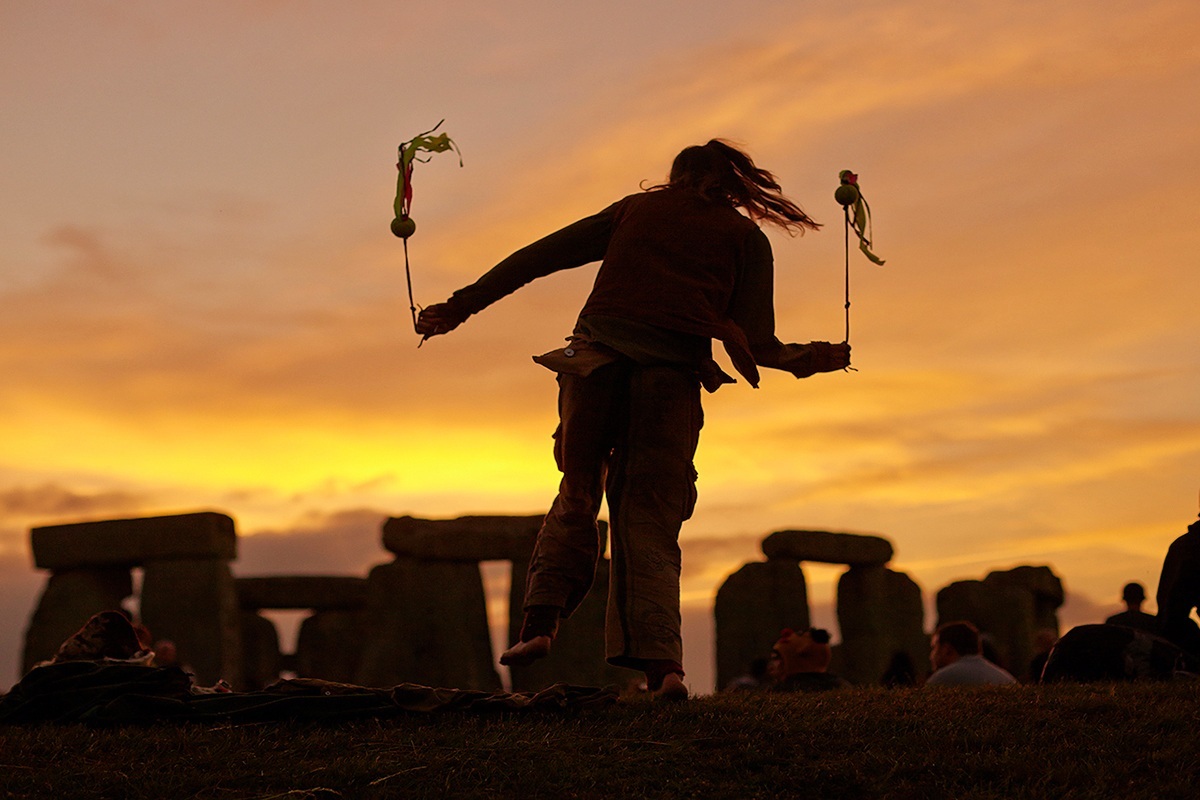
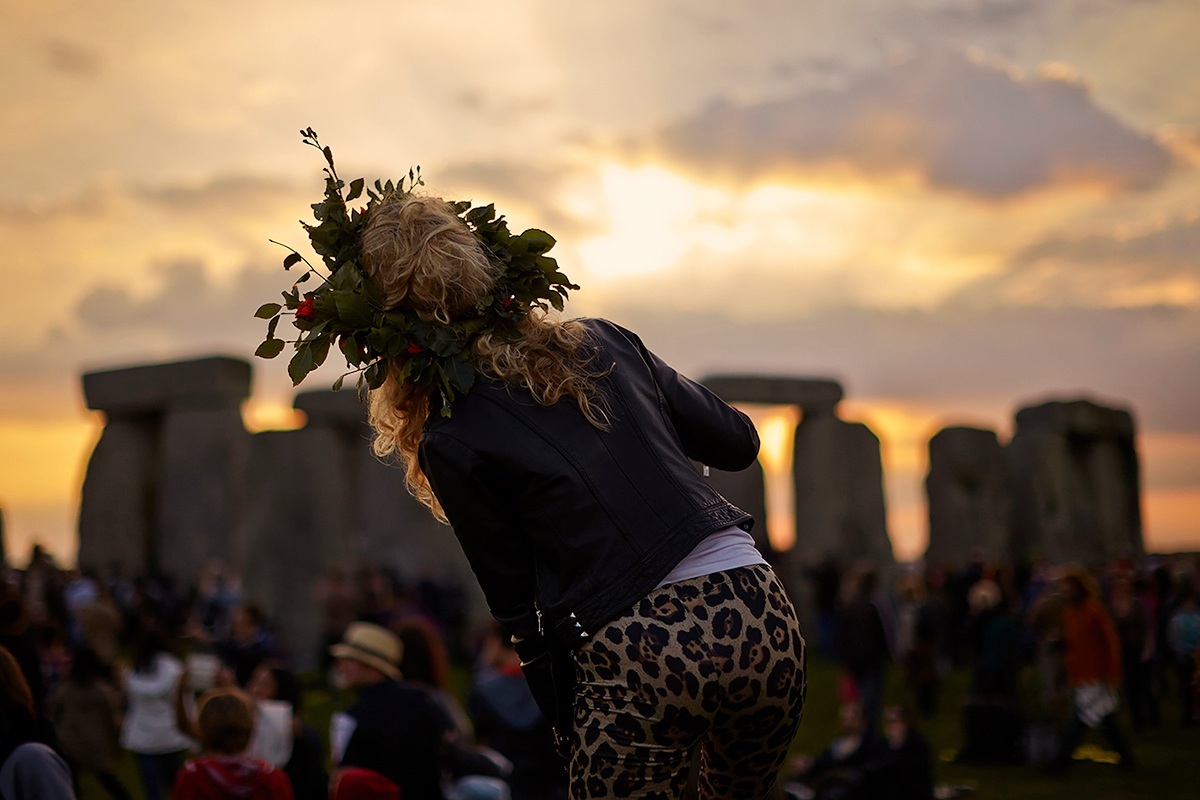
Many Neolithic stone circles appear to have been built around the movement of the sun at solstices. Because there are no written accounts from the time, it’s difficult to be definitive about their exact purpose. However, stones appear to be carefully positioned to align with the sun’s movements, framing solar motion on summer and winter solstices. Stones that were placed at the axis of a particular solstice were even shaped with hammerstones to frame the sunrise for those standing in the centre of the circle.
Though it might seem that the middle of summer would naturally fall on the longest day of the year, the summer solstice and Midsummer’s Day are distinct events, normally a few days apart between 20 and 24 June. The difference is thought to stem from variations in the Julian and Gregorian calendars. The longest day has been marked in different ways over the years and has its own set of customs. Some are based on practical needs. Others originate from spiritual and superstitious beliefs.